REUTERS/via SNO Sites/Hollie Adams
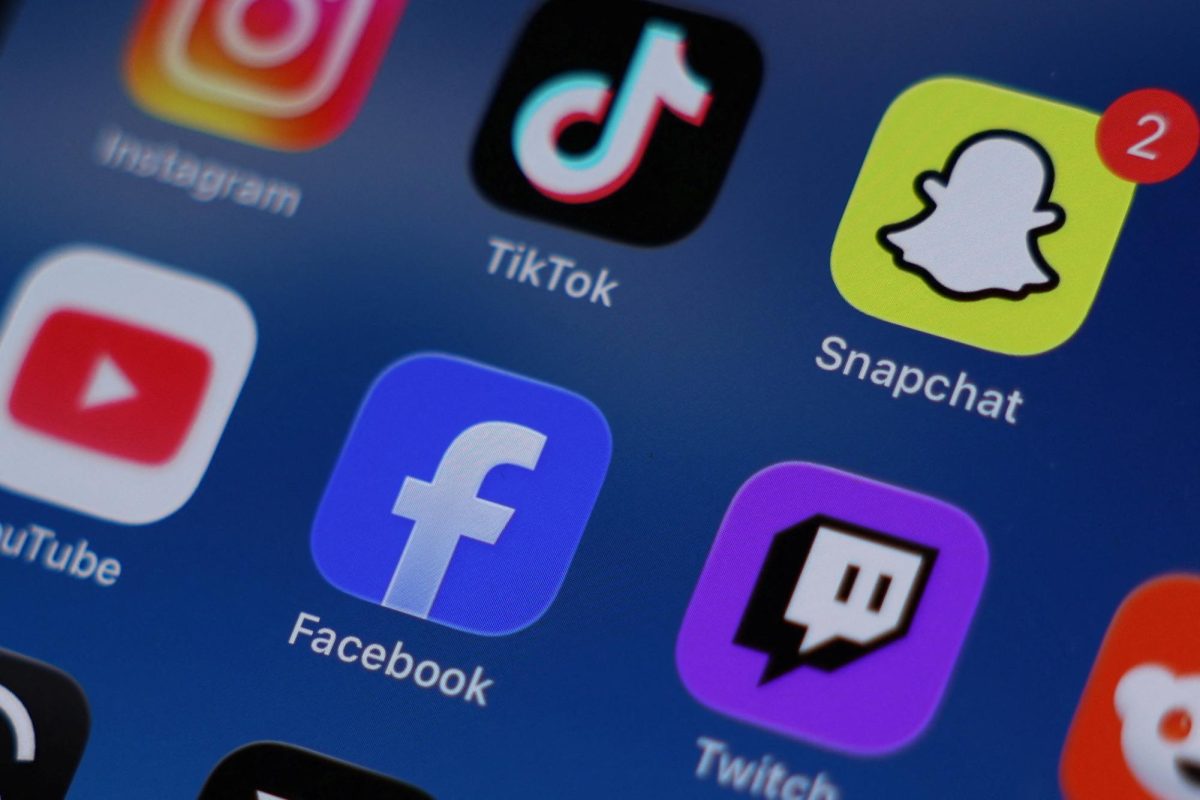
Instagram, TikTok, Snapchat, YouTube, Facebook, Twitch and Reddit applications are displayed on a mobile phone in this picture illustration taken on December 9, 2025. REUTERS/Hollie Adams/Illustration
Reposting videos of Zohran Mamdani or infographics on police brutality will ultimately do nothing if you are not involved in your own community.
In a time of such political and economic uncertainty, it is important to understand the difference between spreading information versus physical strides for social change.
Everyone wants to feel as if they are helping usher in positive change. It is a good thing to want to inform others of social issues. These are good intentions.
However, this form of activism often feels shallow and unproductive when you are face to face with suffering people who need tangible community support.
Within the past few years, I have seen so many people post black squares on their socials or add pronouns in their bios. But when it comes to in-person involvement such as protests, mutual aid or community service, many simply aren’t willing to get involved.
This phenomenon is called slacktivism, which, according to Merriam-Webster, is “the practice of conspicuously showing support for a cause, like posting on social media or hanging a flag or sign, without taking any real steps to effect change.”
Slacktivism was posting a black square on your Instagram for Black Lives Matter in 2020 but removing it in 2021 because it “no longer matched your page’s aesthetic.”
Slacktivism was sharing a post about the famine in Gaza but not donating to help Gazans, pressuring your representatives or boycotting companies that benefit from Palestinian suffering.
I understand each person has individual circumstances that may affect their ability to participate in their communities. Disability, age, access to transportation, immigration status, financial hardship — these are all factors that could limit someone’s activism in their communities.
However, I believe that if you truly care about something, you will find a way to show up.
I’ve seen elderly couples in wheelchairs show up in solidarity at marches. I’ve watched friends with no money to spare give the little they can to help. Students across the country are organizing walkouts in response to ICE raids in Minneapolis.
Not only does direct involvement demonstrate the power of the cause, it also fosters an environment of camaraderie that’s hard to find online. Coming together with others for a common goal builds community and can positively impact mental health.
No one wants to feel as if they are all alone for caring deeply about something. Knowing people who also care deeply about the same cause reminds you that you are not alone.
Martin Luther King was not alone in his fight for racial equality in America. The Black Panther Party did not feed people through political tweets. Women did not gain the right to vote in America by shouting their opinions into the void.
Who are your local organizers?
What is the rate of homelessness in your area?
Which businesses support your cause?
When is your county’s next local election?
These are important questions to be asking yourself.
The best time to get involved is now.
Donate food to your local food bank. Spend a few hours a week handing out life-saving supplies to unhoused people. Check up on your neighbors, make sure they have enough to eat. Use your vote to uplift and protect the vulnerable.
I think online activism is important, don’t get me wrong. Social media has the ability to connect people from anywhere in the world in real time. Digital platforms reach wider audiences.
But, posting online cannot replace real action.
Please, before you type the words “it takes a village,” at least learn your neighbor’s names.