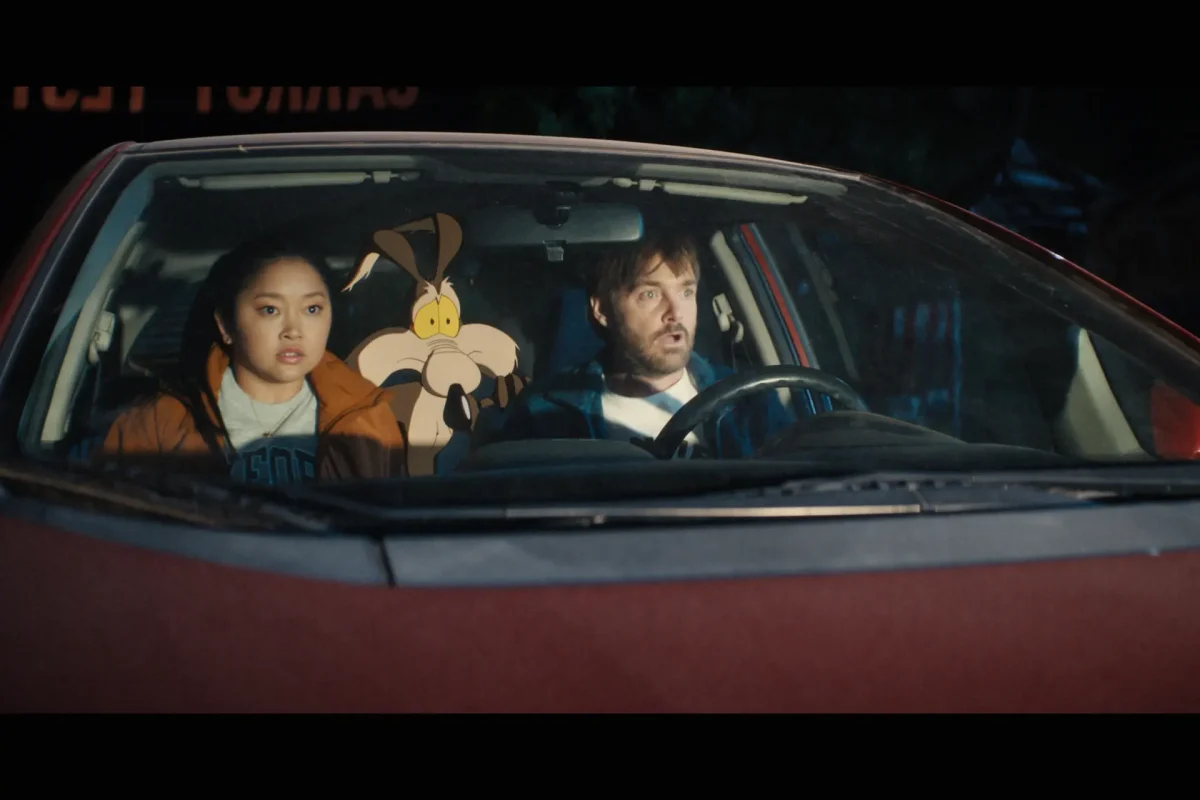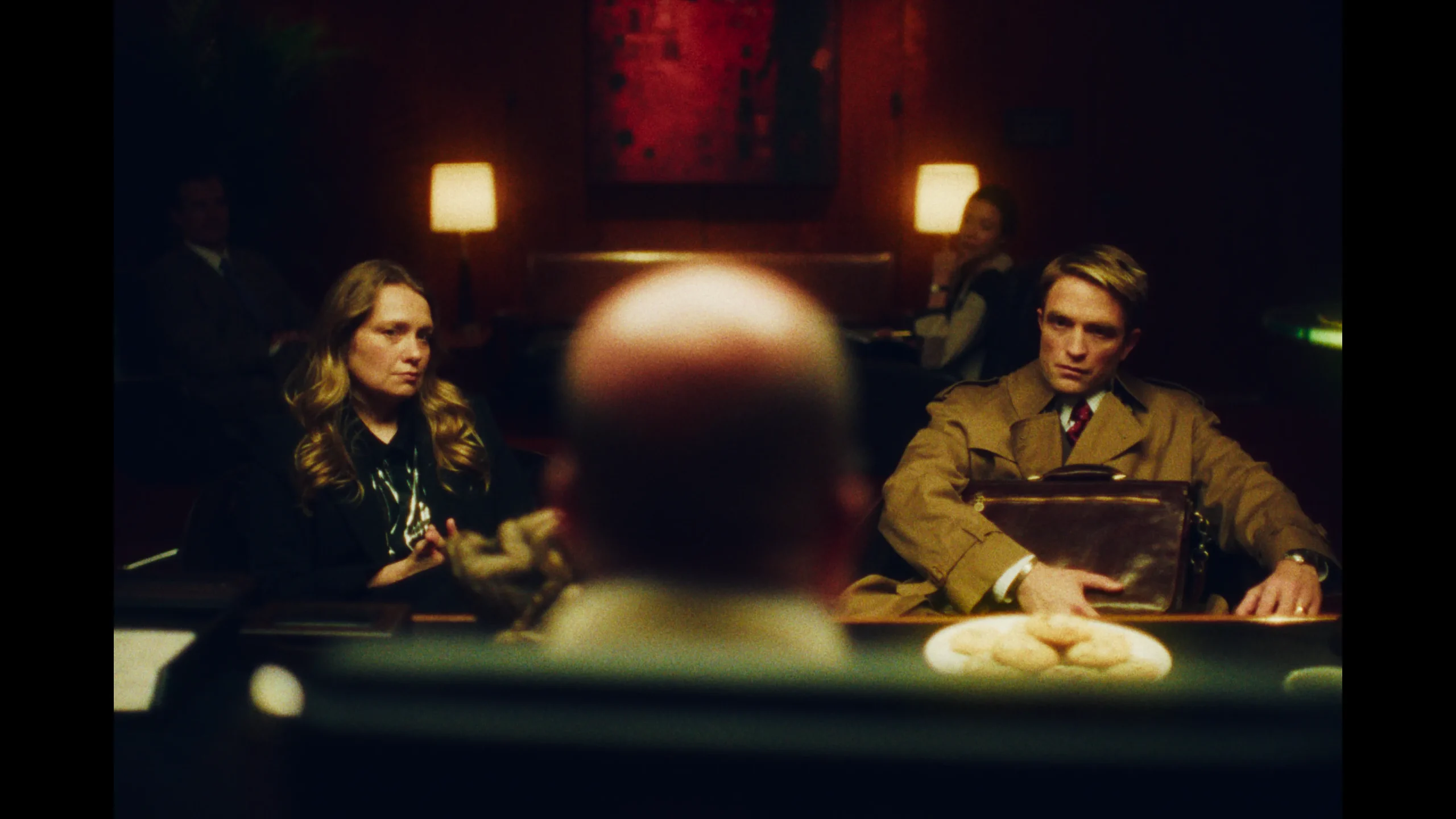

Retro digital cameras, warm beige tones and fluorescent office lights capture the atmosphere of the early 2000s in “Primetime.”
Director Lance Oppenheim uses these nostalgic visuals to paint a darker picture of one of America’s most ethically murky programs in television history.
The movie is based on Dateline NBC’s hit program “To Catch a Predator.” The show became famous for its shocking, almost darkly comical capture of real predators seeking children online, broadcast to loyal cable TV audiences.
Carrying the movie is an unsurprisingly captivating performance by Robert Pattinson, accompanied by striking visuals that instantly transport you back in time. The film centers on themes of career ambition, entertainment versus public service and how far people will go when it comes to protecting children.
Despite the biopic label, Oppenheim prefers to describe his movie as “docu-fantasia.” Instead of focusing on an accurate portrayal of the real events surrounding the creation of “To Catch a Predator,” “Primetime” explores the psychology of a man attempting to dominate the corporate entertainment industry, while also inhabiting the role of a vigilante ridding the world of predators.
The film takes the audience on the archetypal journey of triumph to downfall. It follows Chris Hansen’s rise from holding the primetime slot on cable TV, to the dramatic event that would ultimately end the iconic show.
Pattinson has defined himself as one of the decade’s greatest actors, and his role as Hansen is no different. Although recognizable, you instantly forget that you’re watching an actor and not an eccentric reporter from the Midwest looking to make his name on national television. When he first utters the now famous line, “I’m Chris Hansen,” it’s hard not to believe him.
The standout character is the young and naive Decoy Dan, played by Skylar Gisondo. He’s a 23-year-old aspiring actor living in California who auditions for what he thinks is a police drama. He prepares for his “role” as a 13-year-old boy by attempting to heighten his voice and shave his entire body. Thrust into the chaotic world of predator stings, he serves as bait to child predators before they are confronted by Hansen and arrested on national television.
The movie has not been without controversy, however. While the real Chris Hansen seemed to be interested in his box office portrayal when it was first announced, relationships with the production quickly soured. He called the project “sneaky and disingenuous,” and some internet users online speculated that the movie would make him out to be a villain.
Despite the controversy, “Primetime” does not seek to villainize Hansen, instead humanizing a person that most people know little about beyond his work. The movie does not shy away from giving an honest yet dramatized perspective of his career aspirations and shortfalls.
The point that threads the story together is the moral depravities that plague communities, and how people are supposed to combat them in an age of corporate exploitation.
In one viscerally emotional flashback scene, Hansen explains to Decoy Dan his past work in India investigating a string of child disappearances. He says that since then, he has sworn to rid the world of an “ancient evil,” no matter what it takes.
Similarly, the sheriff of the small town of Murphy, Texas, sees himself as a divine protector, chosen by his people to defend them from outside evil. He is ultimately willing to curb formal police procedures to achieve this goal.
Oppenheim presents the internet as the newest battleground for the forces of good versus evil, and Hansen serves as its troubled, sometimes misguided protector.
Primetime doesn’t have an answer for the questions it asks and instead forces the audience to consider them: What are we willing to do to protect the innocent? And if our protectors have a personal or financial incentive, is it wise to accept their help?