Today, it feels as if everything we touch is plastic.
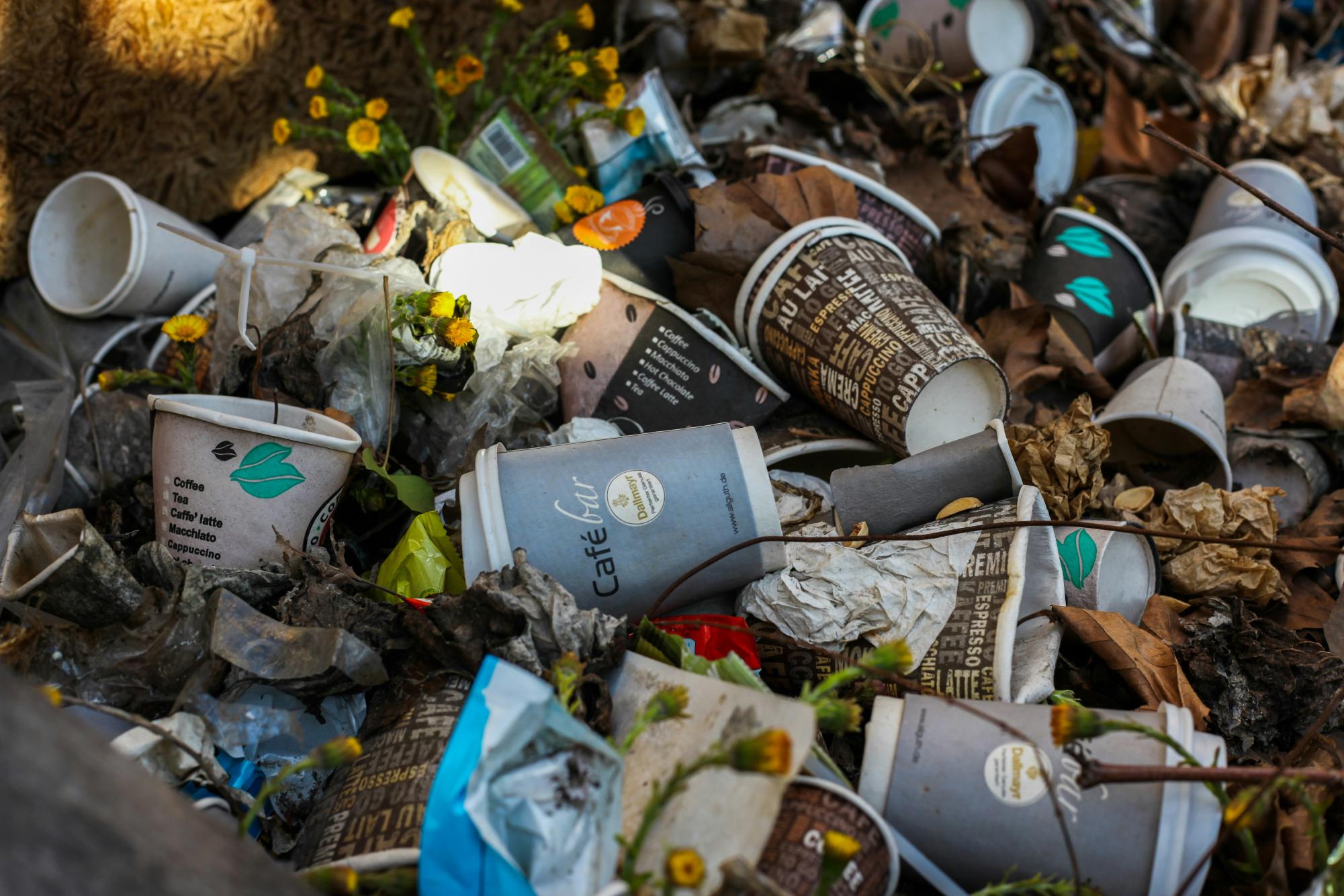
According to earthday.org, over 2, 000, 000, 000 tons of unsustainable, municipally generated waste is thrown out every year across the globe. This trash doesn’t disintegrate. It sits in landfills. It finds its way into our rivers. It seeps into our cities and our land.
America is one of the world’s top polluters, especially in nonbiodegradable waste.
What does that say about our culture that we are perfectly content to pile contaminated, weak and non-biodegradable materials on top of each other and ship it out of our sight?
Our trash does not disappear when it is picked up every Sunday. It may be removed from our vicinity, but that only means it has been dumped in someone else’s.
American trash generally is found either in landfills or is exported to other countries.
A 2025 Forbes article reported that the country has become a trash giant and identified whom our trash disproportionately harms. They found that U.S. landfills are projected to run out of space by 2036, and that in cities like Houston, a lot of landfills are in close proximity to lower income or racially diverse neighborhoods. This causes health and sanitary issues in those communities.
Material waste chemicals, when breathed in, can cause issues breathing, nausea, dizziness, reoccurring flu, cholera, malaria, skin issues, tuberculosis and even death.
If our trash isn’t going to a landfill somewhere in America, it is shipped off to Malaysia, countries in Africa, Mexico, Canada and other locations.
My older brother went on a trip to Kenya in 2024. He left as a bright, excited young adult who couldn’t wait to see the world. He came back a little more cynical with a new perspective on the world and how America affects it.
He told me about a Kenyan village he visited that was surrounded by mounds of trash. He watched parents, teenagers, children and the elderly sifting through American waste to find scraps they could sell or salvage.
This experience changed him, and in hearing about what he had seen, I was changed too.
What do you value more: the health and wellbeing of a kid across the ocean or your weekly Starbucks and SHEIN haul?
Would it change your mind if it was a kid in your state? In your neighborhood? In your family?
A Starbucks plastic cup is going to be thrown away after one use. And the polyester SHIEN clothing will be in tatters in a few months due to it’s notoriously poor quality of fabric.
By giving these companies money, are we not encouraging them to produce more cheap plastic trash?
I’m aware this is not simply an individual issue.
However, change starts with one person.
This means not throwing away clothing because of a simple stain or tear. This means reusing cups or materials and consciously consuming. Conscious consuming means critically assessing your own needs before purchasing something.
Do you actually need that new shirt?
Do you actually need every model of the iPhone that is released?
Do you know where your trash goes?
We need to change how we think about our things. We have a responsibility to steward the things we own, to fix what we can and to use every item we have to its fullest potential.