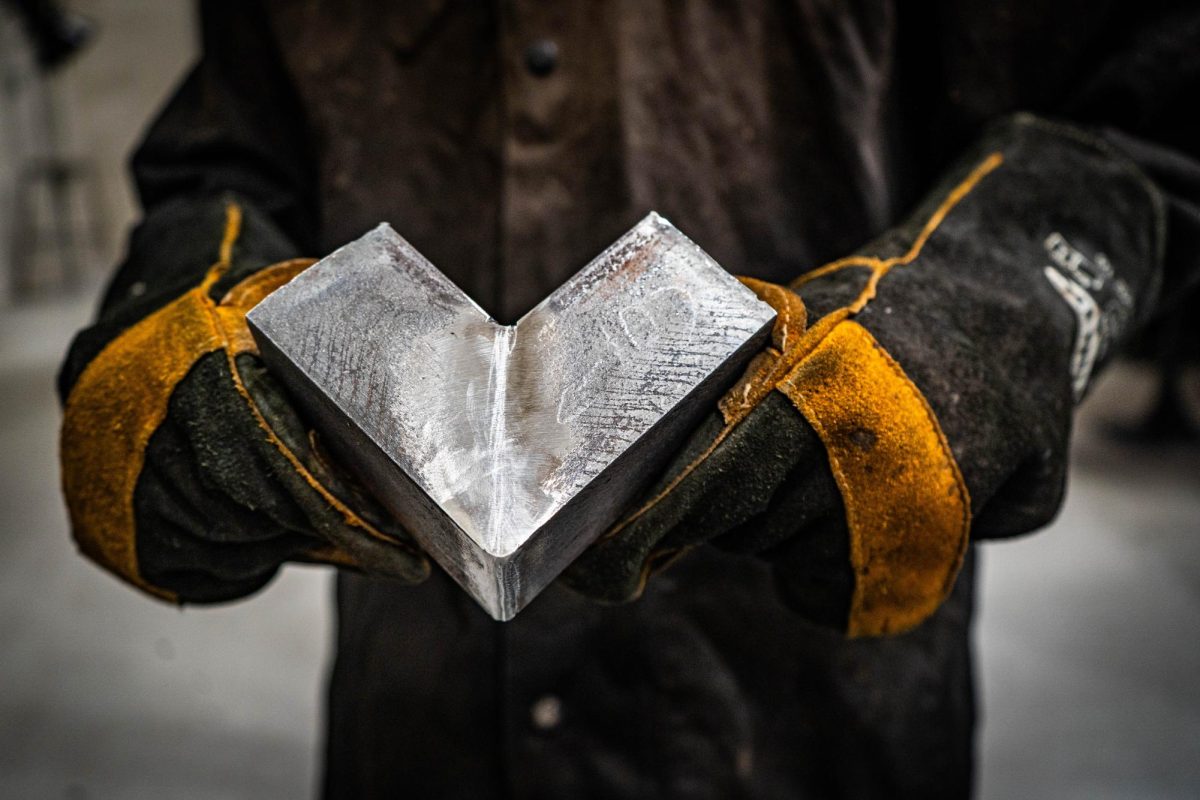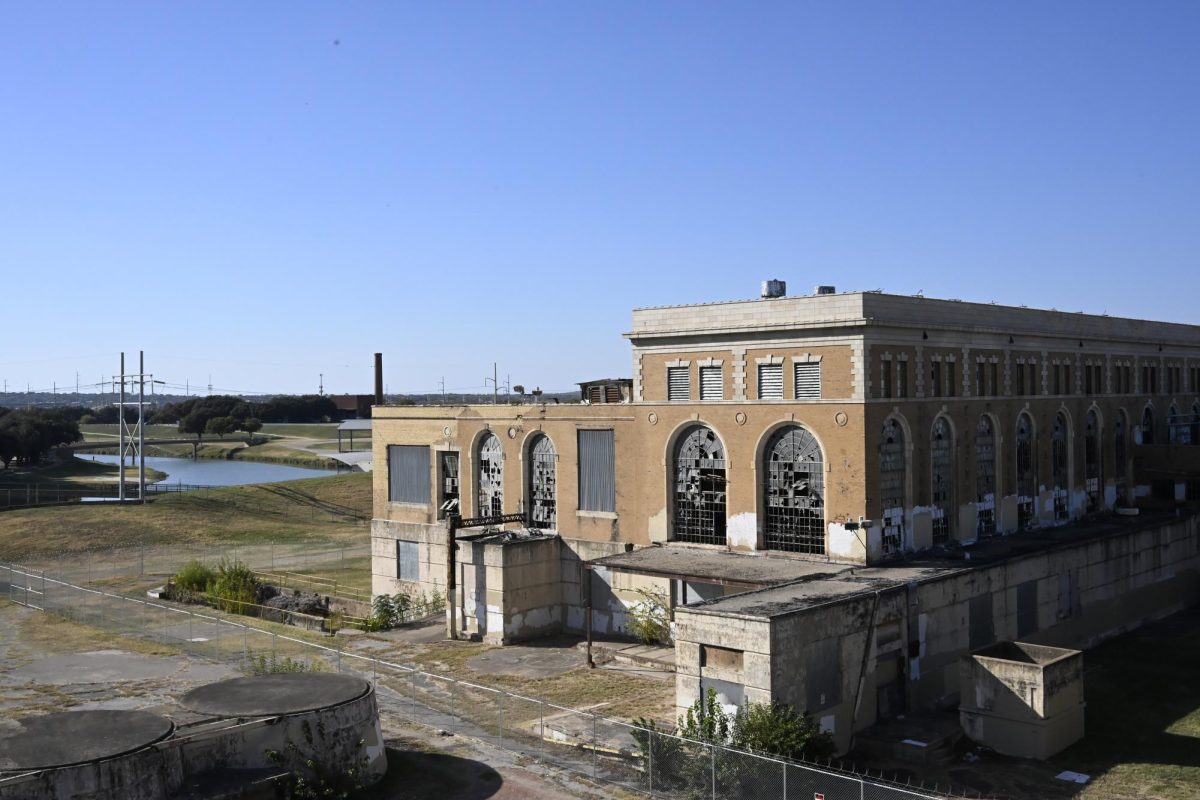

Tucked away attached to Alliance Airport in Fort Worth sits one of the most successful welding programs in Texas.
The Welding Technology program is a part of the Erma C. Johnson Hadley Center of Excellence for Aviation, Transportation and Logistics. According to Damien Heitzer, one of the welding instructors, the graduation rate for the program is high for any welding program in the country.
“Ours right now completion is 17%. Nationally, it’s below 10%” he said.
Heitzer explained this is because many times students will come in, take a class or two and will have gained enough skills to go into the industry, making decent money. While he wishes the students would stay and get a degree as it will help them in their future, he said he understands the reality students today face.
“I tell them honestly, like Mr. [Michael] Medina [the welding coordinator] I kind of maybe robbed this from him. He says, ‘Hey, if you got to go eat, you got to go eat,’” Heitzer said. “Everybody has to work to live. But if you can, stay long. Get as much training as you can, and it’s going to help you in the long run.”
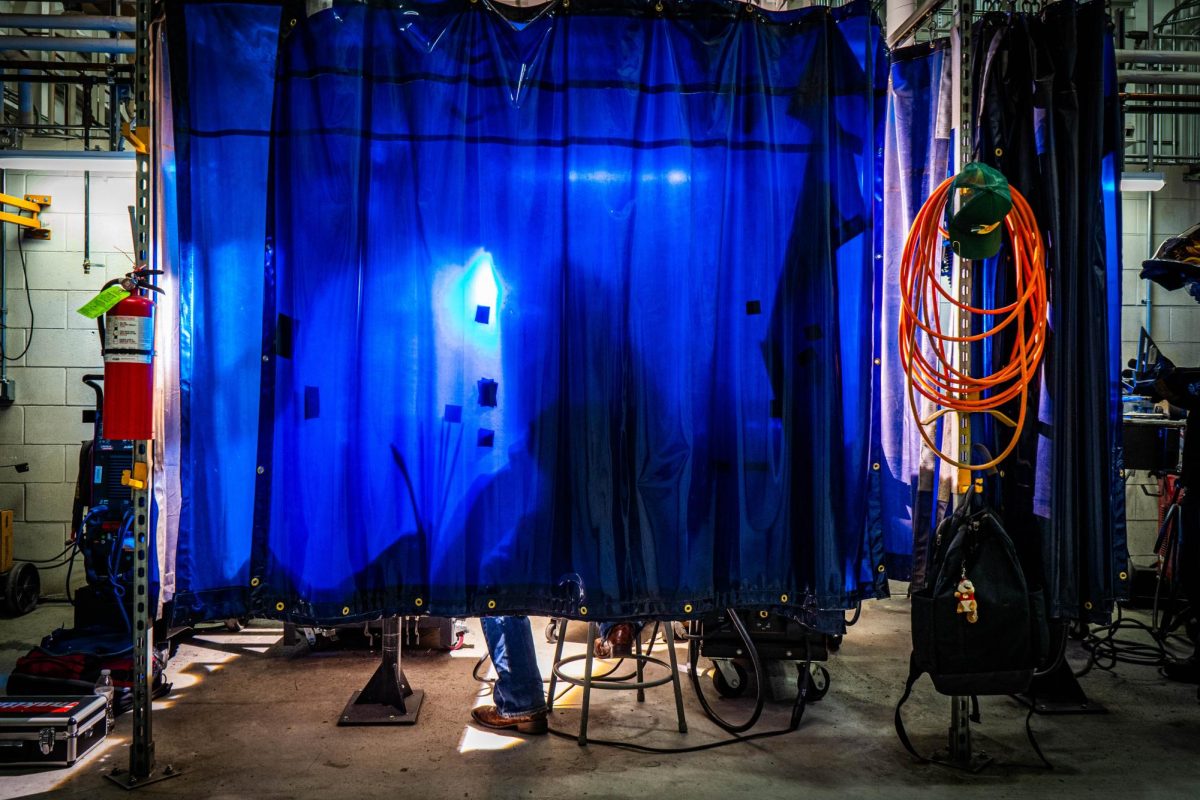
Welding student Shawn Privett said he intends to stay and reap the benefits. He said he has been offered a well-paying position with a water company and plans to start working for them when he graduates at the end of this semester.
Privett’s first time welding was when he started classes at TCC two years ago, and he has since then passed difficult tests, one being with Watts Water Technologies, which does high-pressure, stainless steel waterlines for boilers. His welding abilities stunned company representatives, and they called Heitzer after because they were convinced that Privett was a prank.
“They called me back and they were like, ‘He’s one of the best testers that we’ve seen. Who’s he worked for?’ And I was like, ‘No, he’s just a student.’ and they were like, ‘Nah, you’re lying to me. You sent us a ringer,’ and I was like ‘No, I think he’s 19 years old. He is a student,’” Heitzer said. “He said ‘We had him test out better than some guys who’ve been in welding five or 10 years today.’ And they offered him a job.”
Privett said he has always been interested in “hands-on blue collar stuff” and that he wants job security.
“It [welding] is a skill, you know? So, you can always get better,” Privett said. “It’s something you really have to hone your abilities, and you have to know how to do it to do it. And it’s not a rare skill, but it’s something that is always in demand.”
Students of all ages and genders attend the program. While welding is a male-dominated field, women like Mariangela Bassett-Lupovici are paving the way.
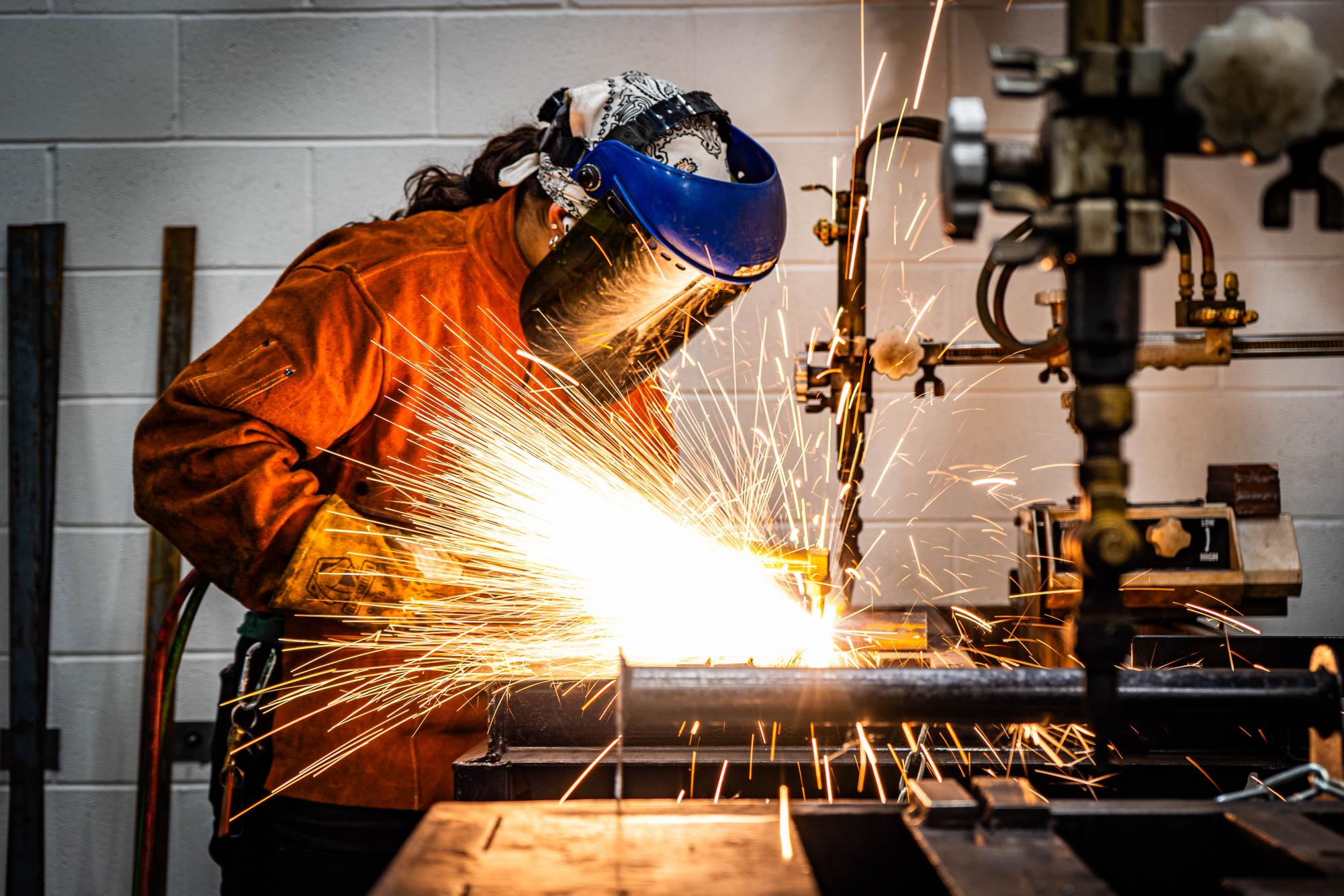
Bassett-Lupovici aims to become a firefighter and hopes to do custom welding work on the side. She has been a part of the program since fall 2024. She has always gravitated towards hands-on work, so she said she gave welding a try because it looked cool.
“I always played sports, so anything that I could do to where I could kind of be hands-on is what I would gravitate toward,” she said. “And this being the most hands-on thing that I could find turned out really, really well.”
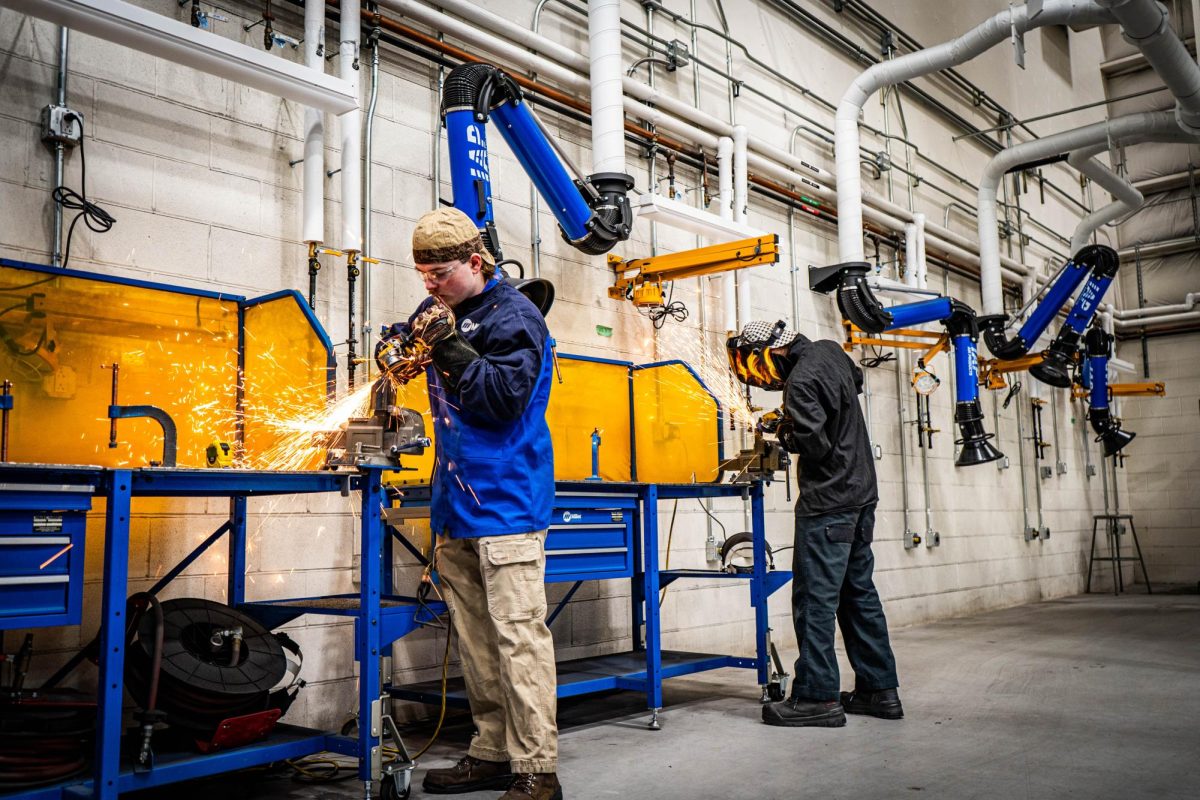
Heitzer said women are some of the best welders because they are detail-oriented, so he hopes more will join the program. The most he has seen in one class was four. Bassett-Lupovici said she has only ever had one other woman in a class with her.
“We get along great. We team up. I ask for help. She asks me for help. I’m actually still friends with one of them right now,” she said. “It’s really nice having another girl there that understands when I’m having a bad day and my mood is off. Or if I don’t want to talk for certain reasons or whatever.”
While she is often the only woman in her class, Bassett-Lupovici doesn’t mind. She said all the teachers and fellow students are kind, and she feels at home in the program.
“It’s like just having a bunch of brothers. That’s honestly what it’s all about,” she said. “And growing up with brothers, it felt like home.”
She does struggle a bit with one thing the men don’t have to worry about: safety gear.
The personal protection equipment isn’t built for the features of a woman. Bassett-Lupovici often must bend the norm to protect herself. Men typically wear something called a welding cap, which is a beanie-like hat that has a flap in the back to protect the neck. What the designers didn’t have in mind was women with long thick hair like Bassett-Lupovici’s. So instead, she uses a bandana to cover her hair but still allows her ponytail to come out of the back comfortably.
Even with these challenges she faces, she hopes to see more women take the risk and join the program.
“Trust me, those guys are not gonna make fun of you. You don’t have to worry,” Bassett-Lupovici said. “Everybody’s in there doing it for the first time, and if they’re not, ask them for help. They will help you. … It’s not as scary as it seems, but it only matters if you take the risk.”