Every March, college basketball takes over the country. Brackets are filled out between classes, buzzer-beaters dominate social media and entire campuses rally behind teams chasing championships during March Madness. At universities with major athletic programs, sports become part of a school’s identity.
At TCC, the atmosphere looks different.
There are no packed football stadiums or nationally televised games drawing crowds across campus. Many students arrive for class, finish assignments and head straight to work or back home. As a commuter college, connection does not always happen naturally.
But inside campus gyms, something quieter, and just as important, is happening.
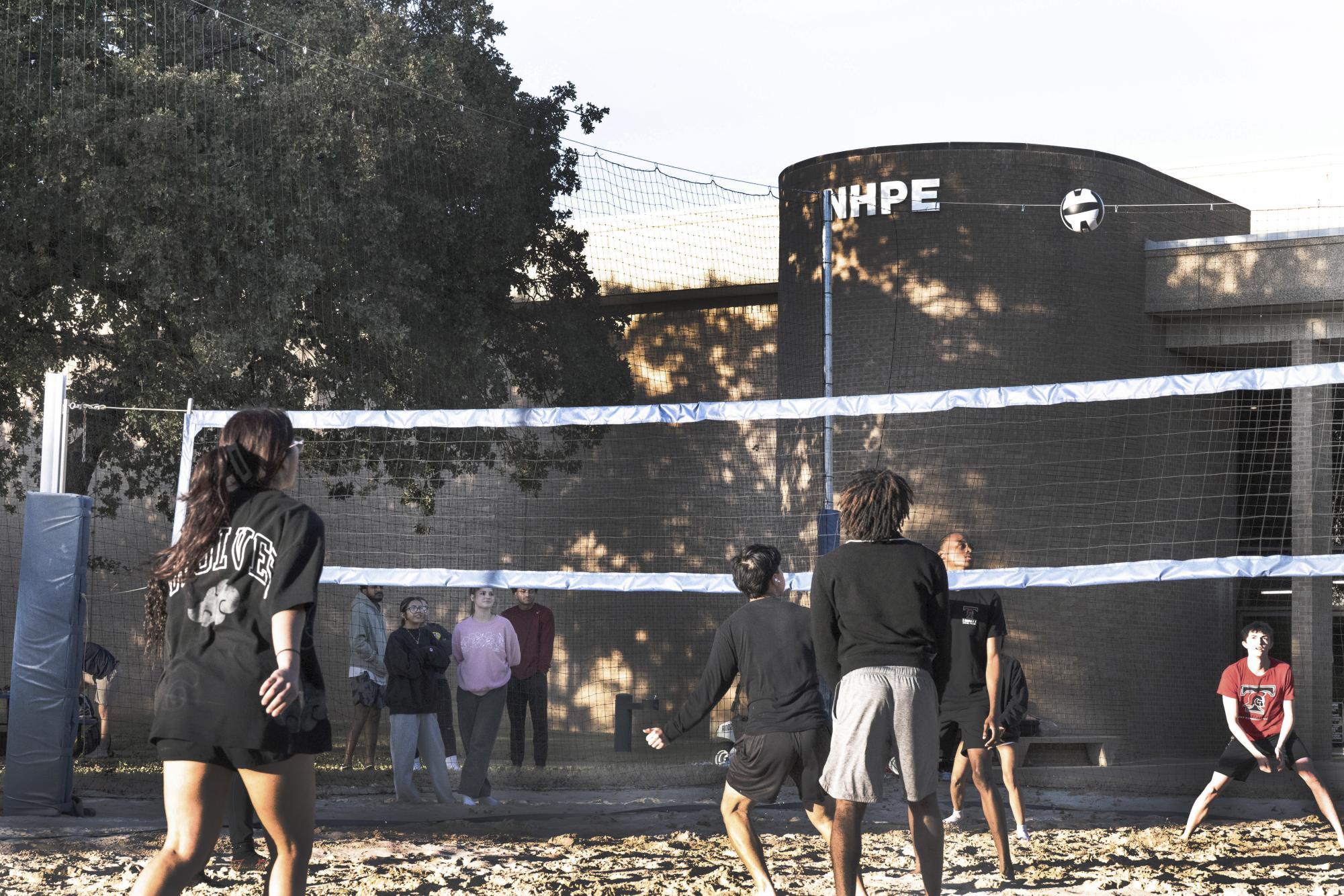
Students who might never speak to each other in class become teammates. Between lectures, work shifts and personal responsibilities, intramural sports create a space where competition turns into camaraderie.
Community college students are often defined by what they do not have: fewer traditions, fewer resources and fewer opportunities to experience the “college atmosphere” people imagine when they think about higher education. That assumption overlooks how community colleges create connection in ways larger universities often cannot.
What often goes unnoticed is what students build anyway.
Intramural sports at TCC offer more than recreation. For many students, they provide a reason to stay on campus longer than necessary. They become a way to relieve stress after long workdays, meet new people and develop a shared sense of belonging.
During recent intramural basketball nights at the NE Campus gym, students lingered long after games ended, talking courtside and planning rematches for the following week. Moments like these may seem small, but they transform a commuter campus into a community.
At large universities such as the University of Texas at Austin or the University of Southern California, athletics often serve as the center of campus culture. Game days create shared traditions, packed watch parties and memories passed down from one graduating class to the next.
At commuter colleges, that sense of identity has to be created intentionally.
Intramural tournaments give students a chance to compete simply because they want to. There are no scholarships on the line or professional scouts watching from the stands. Players show up after class anyway, motivated by pride, teamwork and the opportunity to be part of something meaningful.
That effort matters more than many people realize.
For students balancing academics, jobs, and family responsibilities, staying late on campus is rarely convenient. Choosing to participate means choosing connection over routine. It means carving out time for joy in schedules often dominated by responsibility.
Sports have always been about more than winning. They build leadership, resilience and friendships that extend far beyond the court. A teammate who starts as a stranger can quickly become a study partner, a support system or even a lifelong friend.
On weeknights, sneakers echo across half courts as teammates call out encouragement, and laughter carries through the gym. The energy may not make national headlines, but it creates something just as valuable, a sense of belonging.
Moments like these challenge the idea that school spirit only exists where varsity athletics dominate campus life. Community colleges may not have televised rivalries or sold-out arenas, but they still create pride through participation and shared experience.
In a college environment where many students feel anonymous, those moments matter.
They remind students that college is not only about grades or graduation timelines. It is also about discovering confidence, learning teamwork and finding spaces where people feel seen.
Sometimes, community is not built in sold-out arenas.
Sometimes, it is built on half courts between strangers who decided to become teammates.
As March Madness captures national attention each spring, it is worth recognizing the quieter version of competition happening closer to home. TCC may not have varsity teams chasing championships, but its students continue to show up ready to play, compete and support one another.
And in a college environment where connection can sometimes feel difficult to find, building community may be the greatest victory of all.