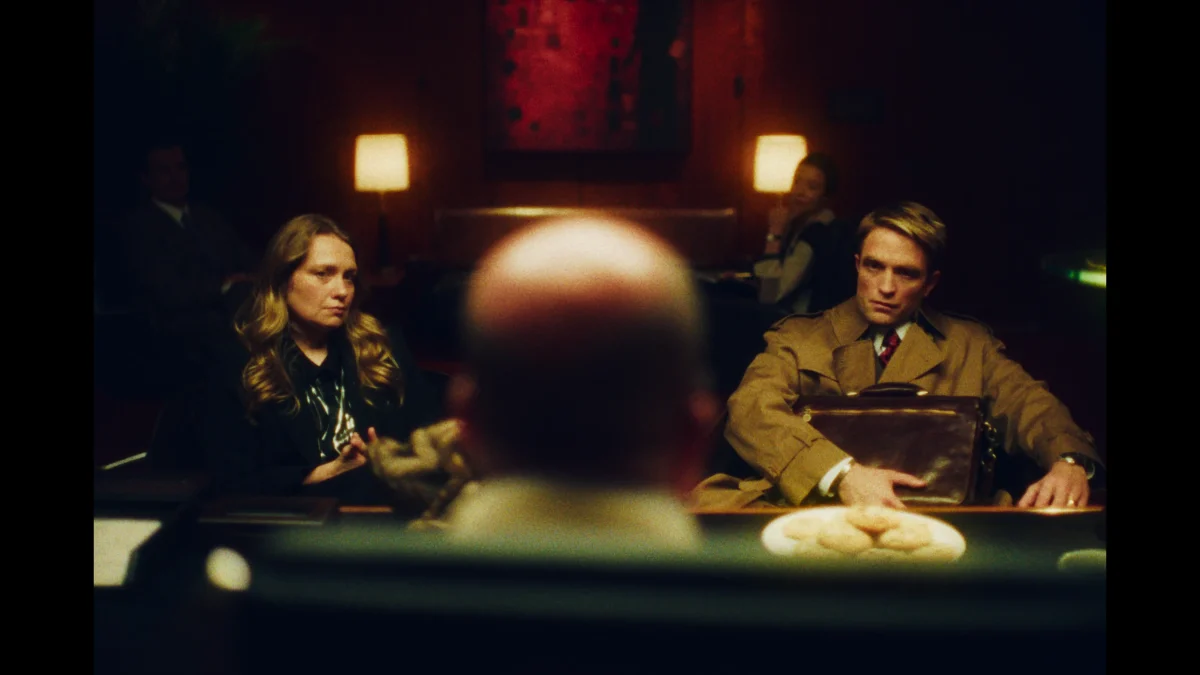

Audiences may see everything, but they will leave questioning what they find and themselves.
The documentary film “You Can See Everything” directed by Nathan Fielder and Lance Oppenheim released in theaters Oct. 16. The film follows Fielder as he lives with Elizabeth Holmes and her family in the month leading to her prison sentence.
Holmes is the founder of a failed health technology company, Theranos, that claimed its blood-testing devices could run hundreds of medical tests from a finger-prick. She was acquitted of defrauding patients but was found guilty of defrauding investors of more than $140 million.
While the aesthetics and cinematography of the film are to be celebrated, the most captivating aspect of the film is how Fielder and Oppenheim lay out the story in three acts.
Don’t picture “60 Minutes” or a true crime documentary. The 4:3 aspect ratio used throughout the film simulates nostalgia, as if watching a home video. Cleverly, the aspect ratio lends itself to tight framing.
Every micro-expression plays into Fielder’s examination of Holmes — and her examination of him.
Fielder, in the first act of the documentary, acclimates to the home and begins his prying into why Holmes and her husband Billy Evans want the film crew there. He searches for what and how much he can trust as they tell her story.
Intentionally or not, Fielder’s deadpan and socially awkward on-screen persona often lures Holmes into traps. Her infantilization of him gets her to tip her hand, and the moments of realization are evident.
This first act is when we see Holmes most, often in agonizing moments of unblinking eye contact as Fielder searches for lies, and Holmes attempts to play them off.
This is the only time she speaks for herself. As her days of freedom dwindle, it becomes apparent how much the men in her life control her narrative. It starts small. Her husband takes a bowl of egg yolks to whisk them properly. Then he begins answering questions when she hesitates. Then Evans is cutting her off and speaking on her behalf, taking control of interviews and tweeting from her account
when she’s in prison.
Her father reveals a tragic and personal event from Holmes’ life so abruptly and without prompting that both Fielder and the audience laugh from the shock before realizing how serious the revelation is. Her mother speaks once in the film.
The film is full of laugh-out-loud moments of absurdity and audacity. Evans becomes the main subject of the documentary when Holmes goes to prison.
His failed attempts to lie his way through interviews and save his and her image grow more ludicrous, leaving the audience shaking their heads.
The third act takes an unexpected turn as reality and fiction blur. Fielder becomes the primary source recounting his interactions with Holmes. His opinions of her seep into the retellings, offering a new perspective, but Fielder and Oppenheim are ultimately more
men telling her story for her. If audiences go in thinking they have an unwavering opinion of Holmes, they should expect doubt to creep in.
Each turn in the film offers new insights. It forces the viewer to question what the truth is and who is the one being manipulated. Audiences will go home wondering if it’s them.