







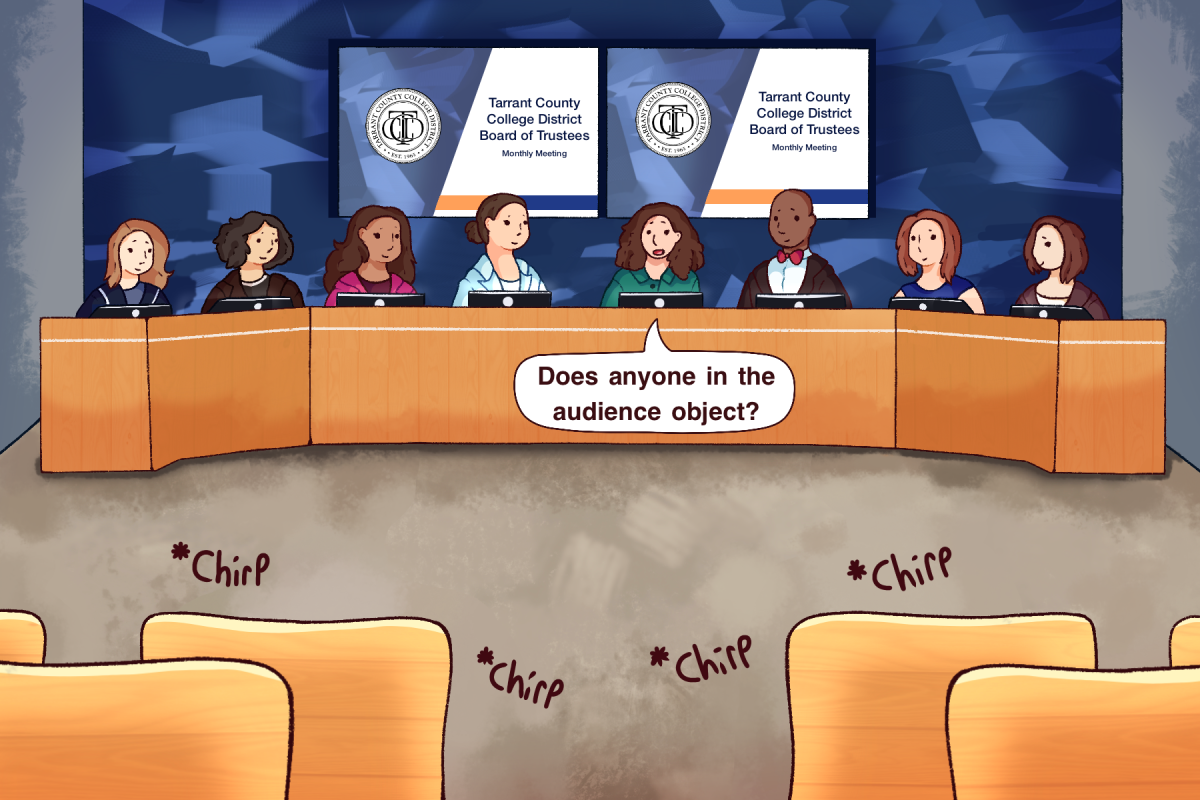











The TCC board of trustees is considering raising property taxes due to budget challenges caused by restraints from the state.
Trustees reviewed a proposed budget of $425.7 million for fiscal year 2027 Thursday at a workshop meeting.
While the proposed budget is up $10 million from this year’s budget, the college’s options for raising funds are strained due to changes in state funding and uncertainty over property tax values.
TCC relies primarily on three streams of income: tuition and fees, state funding and property taxes.
Tuition has been frozen by the governor since 2023.
Earlier this year, the board approved student fees that would raise around $9 million but shortly after, the governor issued a directive to Texas colleges saying fees were also included in the tuition freeze. That prompted TCC to reverse the decision and refund all the fee increases.
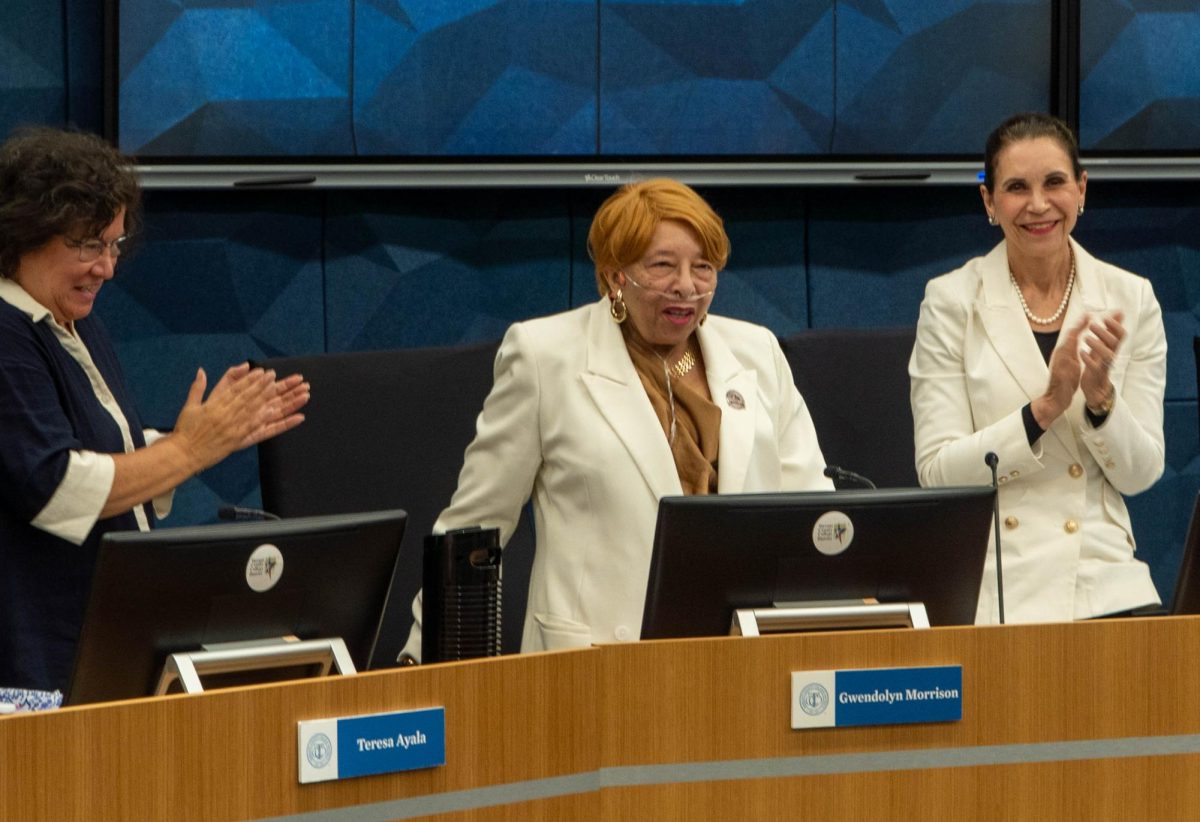
Board President Jeannie Deakyne said it’s much more expensive to simply exist in 2026.
“The cost of educating a student, the cost of employing an instructor, the cost of making economic impact, there’s a cost associated with it and it’s more expensive,” Deakyne said.
Vice President Leonard Hornsby said the decision to reverse student fees will force the board to possibly increase taxes, which some Tarrant County residents might not agree with.
“We try real hard to educate, train and to be fair with our citizens, our taxpayers, but sometimes when your hands are tied, you do the best that you can do,” Hornsby said. “And then you still have to do something that may not be palatable to the masses, but it’s the only recourse that you have.”
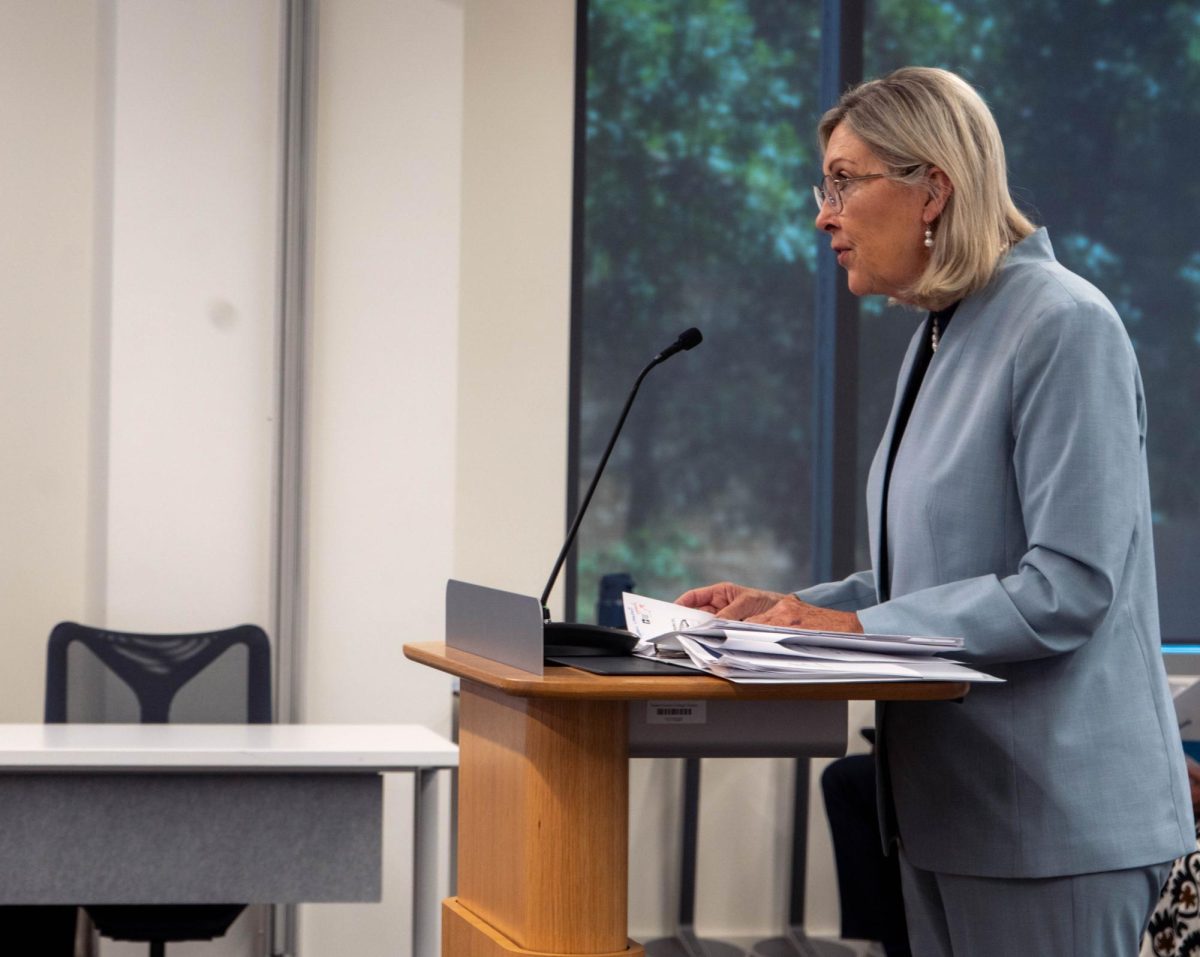
Chief Financial Officer Pamela Anglin and her team put together a plan to generate more funding by raising TCC’s property tax from $0.11228 to $0.12 for every $100 in property value.
According to a model presented by Anglin, this would raise property taxes by $26.37 annually for a house valued at $341,599, which is the current average taxable value in Tarrant County, according to Truth in Taxation 2026.
Hornsby said he understands the idea of raising taxes may be uncomfortable to some, but it’s important to look at the success of the college and the situation it’s facing.
“I sure hope the citizens of Tarrant County will look and hear and see and understand that we have no other recourse right now,” Hornsby said. “All of our playing cards have been taken away and the only one we have left is to increase taxes less than 1 cent.”
Another topic of discussion at the meeting was a decision by the state that cost TCC $4 million.
Texas legislatures in 2023 changed how community colleges are funded, emphasizing students who completed degrees and certificates instead of just showing up for class. Using this new metric TCC was set to receive $63 million in state appropriations.
However, Chancellor Elva LeBlanc said colleges across Texas, especially TCC, have produced more student success than projected, which cost more than state officials predicted. So, the funding formula was changed, leaving TCC with only $59 million from the state.
“Ironically our success has put a strain on the state funding formula,” LeBlanc said. “In response, we have been very intentional about continuing to invest in our success but also stewarding our resources wisely. We are protecting, teaching and learning, prioritizing high demand programs, keeping tuition affordable and managing resources responsibly through careful budgeting and program review.”
While the new budget will be tight, LeBlanc said the college will work to do what’s best for students, staff and taxpayers alike.
“TCC continues to generate significant economic impact for our community and remains committed to students success even as we adapt to this new funding reality,” LeBlanc said. “TCC deserves the support of the Tarrant County community.”