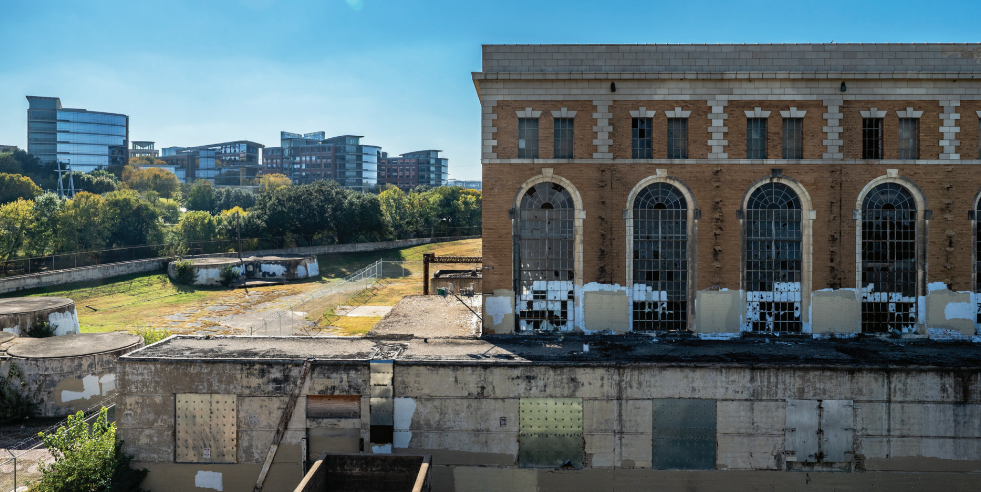

The 113-year-old TXU Power Plant will be bidded off by the college on Dec. 18 after owning the property since 2004.
Sitting along the Trinity River, the property lies near Panther Island, a proposed redevelopment project to the city.
When TCC purchased land for the TR East Campus, the building came along with it. Built between 1911 to 1913, the plant began operating in late December 1912 and for over 40 years it powered all of Fort Worth.
Since the purchase, there has been debate within the community about what the college should do with it.
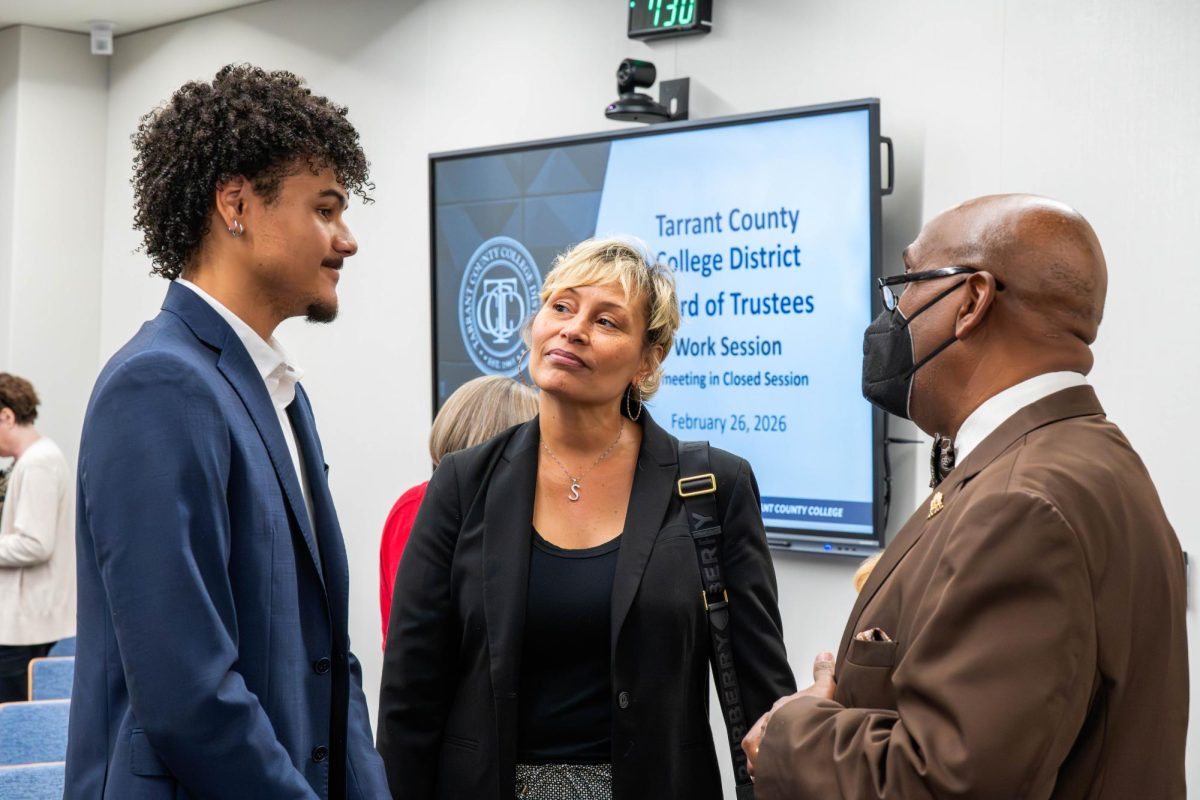
“Proceeds from the sale of the TXU building can be invested in TCC’s core educational priorities,” Chancellor Elva LeBlanc said in a statement to The Collegian.
In 2014, TCC asked the community for recommendations, but no decision was made even though many organizations have requested the building be designated a historical landmark.
Susan Kline, a preservation consultant who specializes in the preparation of nominations for the National Register of Historic Places, said there are multiple reasons the building is a historical landmark.
“Number one, it’s significant for its architecture. It’s a great example of the Beaux Arts style in Fort Worth,” she said. “Then, of course, it’s very representative of Fort Worth growth and industries.”
While she said there have been many attempts to pursue it being designated, it hasn’t gone anywhere.
“So many people would love to see it rehabilitated and put back into good use,” she said.
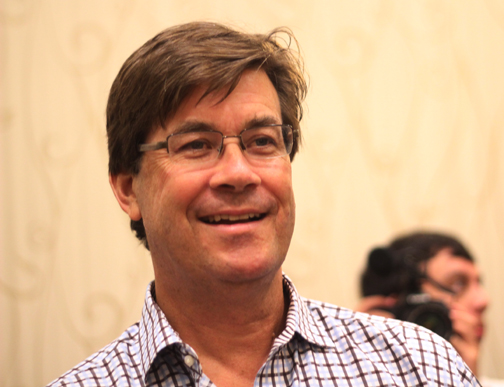
One of those people include Jim Hodgson who is a member and former chair of the Tarrant County Historical Commission.
“If you take that power plant out of history, Fort Worth would be Benbrook,” Hodgson said. “It could be considered a historical building, but they’re going to just demolish it without any consideration to preservation.”
According to him, the building’s age and historical significance to Fort Worth deems it a historical landmark.
“It was an integral part of commerce and development of the city and the college has just simply been negligent,” Hodgson said. “It should be treated with dignity and proper respect … for both the significance of that building and the people who worked.”
However, because the college will sell it off to the highest bidder, he said it will most likely be destroyed.
“It has nothing to do with the building. It’s a business decision on their part, opposite to the way you would expect an institution of higher learning to handle something,” Hodgson said.
He sent a resolution plan for the building to the board in 2019 expressing a concern about the condition of the structure and the uncertainty of the building’s future.
“They refused to even answer us on it. We never got an answer back,” Hodgson said. “Tarrant County College had the responsibility for the upkeep of the building, and they weren’t doing it.”
When owning a property, one must mitigate deterioration of buildings, and LeBlanc said there were too many repairs to make and too much maintenance to perform.
“Selling now enables private investment to help realize Panther Island’s vision as a vibrant, mixed-use waterfront district with walkable streets, green spaces and robust transit,” she said.
For Hodgson, he said he doesn’t have any personal want for the building’s future besides it be treated with respect and not become a multiunit apartment building.
“The significance of that power plant and what it did for the city is enormous,” Hodgson said. “But history doesn’t mean much here.”