











If you’re anything like me, fashion has the ability to turn your world upside down, completely infatuating you.
As we’ve observed time and time again, trends can often fade as quickly as they appear. But something that has stood the test of time challenges this theory: quiet luxury.
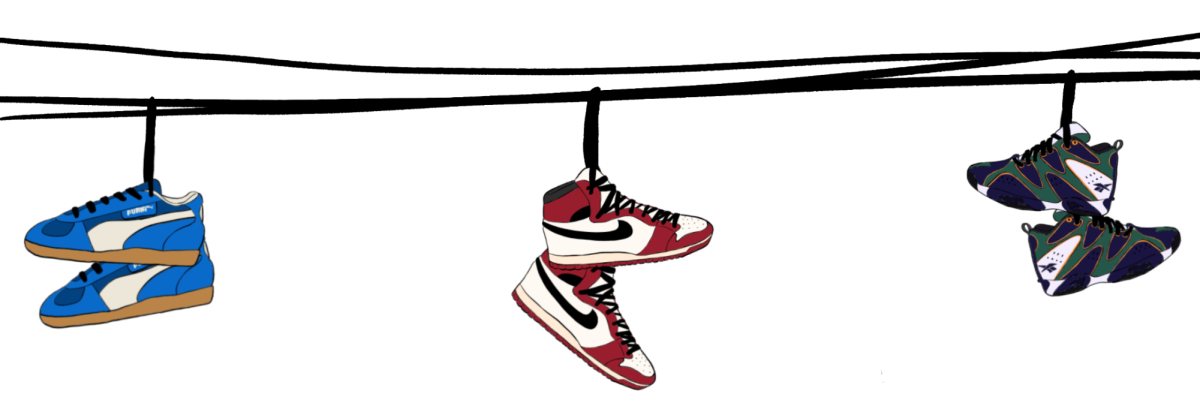
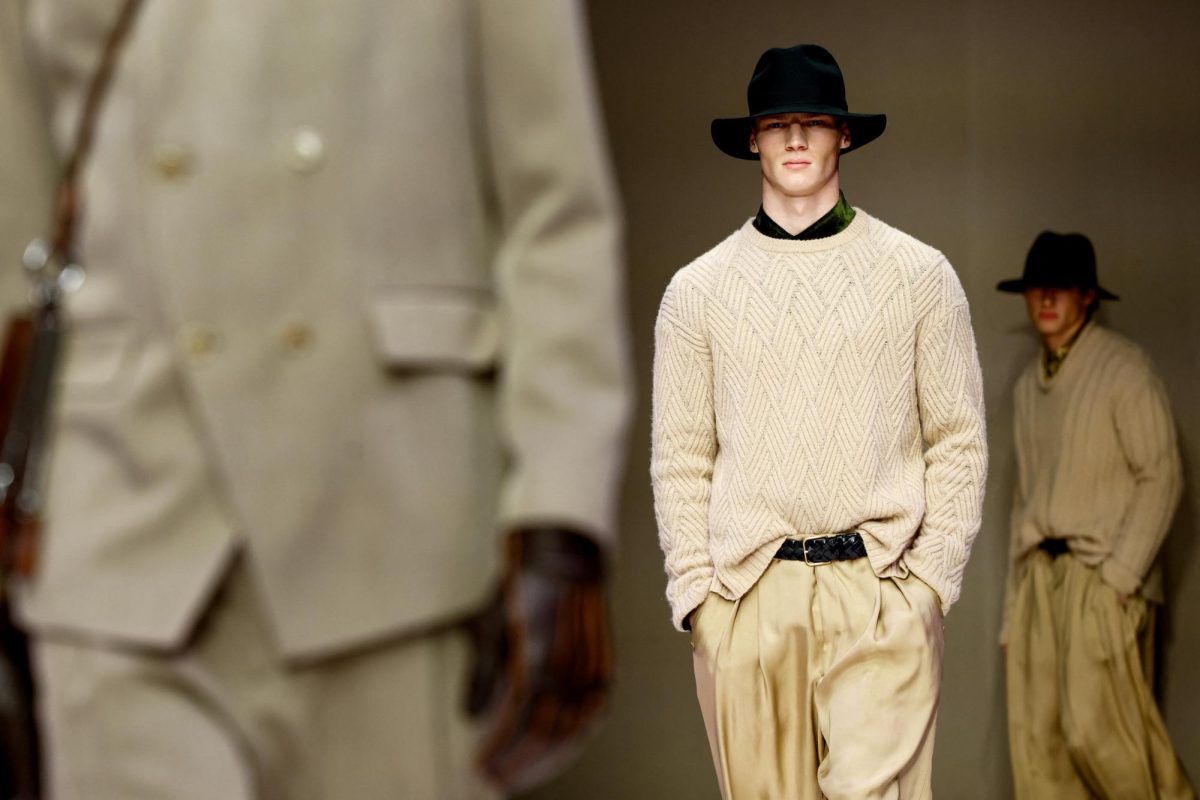
Quiet luxury is a fashion philosophy that centers around well-tailored clothes and high-quality materials.
Through the simplicity of this aesthetic, it takes pride in the longevity of the garment to subtly signal wealth. There are no loud logos or visible signs on the clothing piece itself.
This is a good thing, right? Clothes that emphasize sustainability? Not quite.
People have been using this style not as a sense of self, but to manipulate social perception. It is an obsession to look rich, only to really cover up financial uncertainty.
In 2023, millions of Americans were faced with harsh realities. Prices skyrocketed due to post-pandemic adjustments, and major companies like Boeing cut approximately 2,000 jobs. People were experiencing an unstable economy and financial hardships, yet quiet luxury was still the leading fashion trend on social media.
The attraction of people wanting to rewrite their reality became clearer than ever. Fashion became a coping mechanism instead of artistic expression.
Stylish outfits defined by color, texture or size were no longer as popular. To dress nicely, you had to be rigid and precise. Now, you must wear a white top to go with those pants, but make sure there’s no holes in them. Instead of a jacket, opt for a trench coat. Make sure you look classy, though.
These new rules leave no room for personal style.
If fashion was originally an art form, a way to express yourself through clothing, then how weird is it for a trend to tell you what to wear?
This is what makes quiet luxury so performative and pointless.
I hate how this aesthetic benefits people’s desire for validation. Why is the main objective ultimately to just look richer than you actually are? It’s pretentious.
If people are already struggling financially, then who cares about your white tank top that costs $100? Because it most certainly won’t be me.
Does it not get tiring secretly hoping people see the invisible price tag of the outfit you’re wearing?
As much as I hate it, I do understand that some people might be fond of dressing like this. However, I want you to ask yourself this: When did you start enjoying this?
If it began recently as a way to cope with our economic reality, you might want to reexamine whether you truly enjoy this fashion trend.
Although it may be hard, it’s important that we resist the temptation to follow trends. Instead of looking at social media to decide what to wear and treating clothes as a uniform, fashion should be personal.
Fashion should be about dressing for ourselves, not for others.