


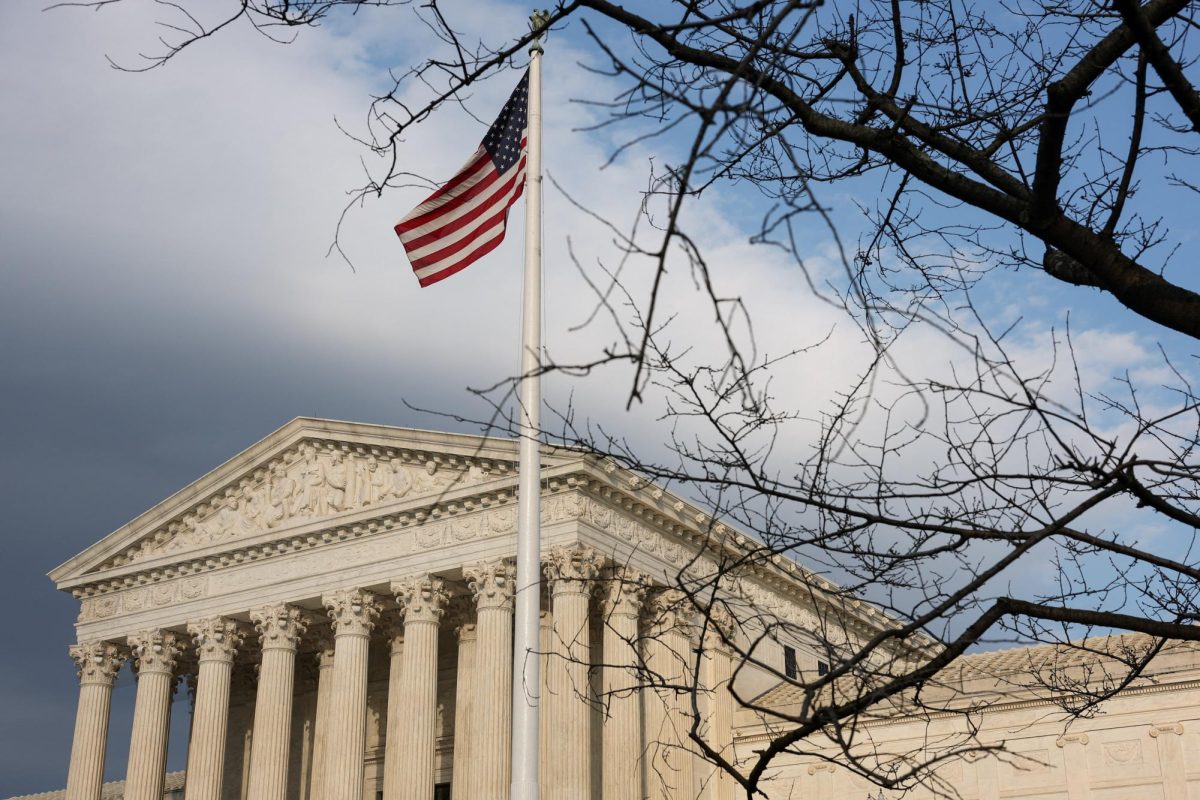






Texas voters are heading to the polls to determine the party nominees for various offices in federal, state and local government.
The major nominations up for election are one of Texas’ seats in the U.S. Senate, governor, lieutenant governor, attorney general, commissioner of agriculture, comptroller and Texas Supreme Court. The candidates from each party who win a majority will compete against each other in the November general election.
Early voting lasts until Feb. 27 with March 3 as Election Day.
Texas is an open primary state, so voters can choose to vote in either party’s primary. However, after voting in the primary, that person cannot vote in a different party for the runoff election. If neither candidate for a position gets a majority of votes, a runoff election will be held May 26.
Primary elections play a large hand in shaping the Texas political atmosphere.
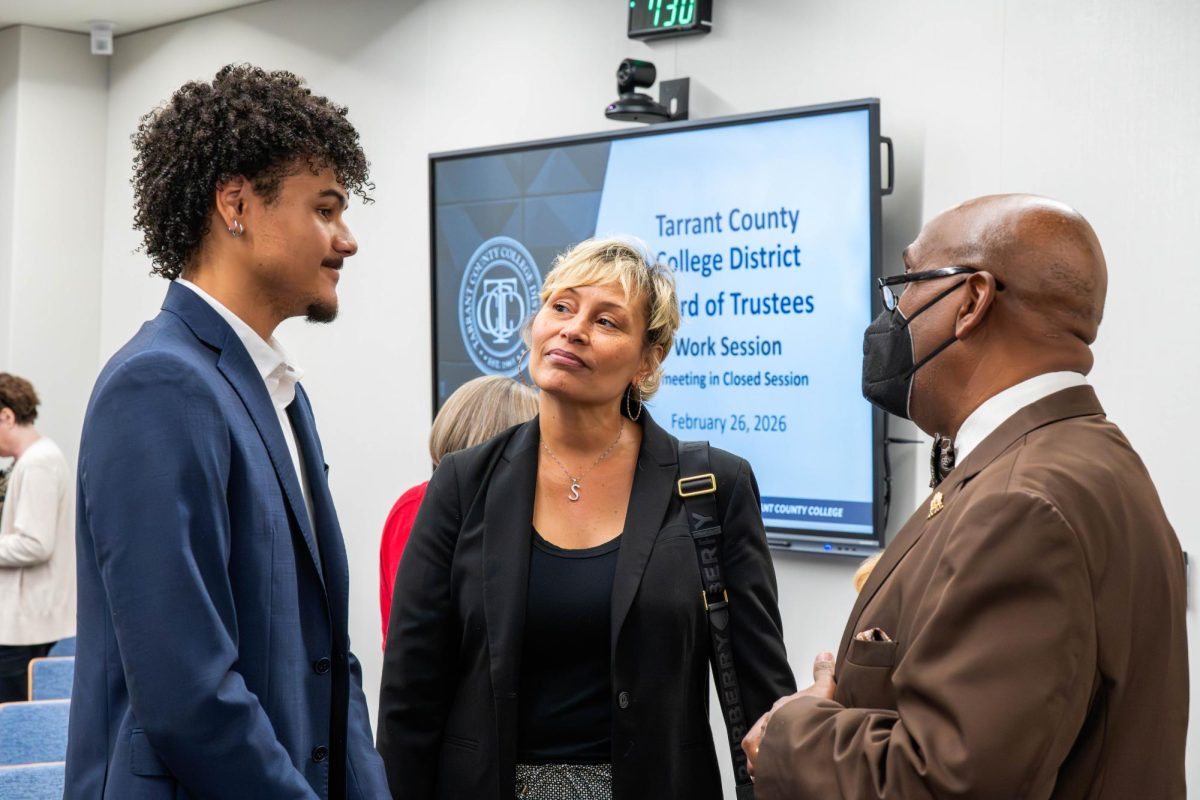
Patrick Longoria, NW Campus SGA president, said he focuses more on local politics as he feels it can have a more immediate effect on his life.
“‘Voting doesn’t do anything.’ OK, when’s the last time you voted? ‘Oh, I don’t vote. It’s pointless.’ That’s why you feel that way because you are doing nothing, and because you do nothing, nothing changes,” Longoria said.
Longoria said he plans to run for city council in the future. He “borders on Republican and Libertarian,” which is why he called himself a progressive moderate.
Longoria said the reason he was interested in student government is because former Texas U.S. Rep. Eddie Bernice Johnson advocated for his veteran’s benefits after he got out of the Marine Corps.
“I have a huge appreciation for advocacy because of people like her, so that’s actually one of the reasons I got so involved in SGA, and why I care a lot about the campus politics and district politics, and making it my business to know what they plan on doing,” he said. “… I don’t care about your political affiliations. I care about your personal and professional beliefs. How do you act?”
NW student Alexis Smith Bauman cast her early vote on Democrat U.S. Senate candidate James Talarico at the NW polling location in NW11.
“I like that he is taking religion back from the right,” she said. “So, coming from the religious perspective he has, he is more powerful in that position. He can kind of reach people who were maybe harder to reach beforehand, I think.”
Tarrant County is historically a swing county, meaning that it can really be anyone’s guess which way it votes.
“I think that it’s kind of like a perfect storm for Democrats to take the opportunity to make gains in Texas normally you wouldn’t expect to see,” South SGA chair member and Democrat Aden Golden said. “For example, with the special election that just happened. … Republicans lost this seat that had been held by them for a while and people view those things as prelude into like midterms.”
Democrat Taylor Rehmet faced Trump-endorsed candidate Leigh Wambsganss and, to the surprise of many, won a special-election Texas Senate seat in a historically red Tarrant County district on Jan. 31.
NW student and SGA secretary Cleo Kapavik, who referred to herself as a progressive Libertarian, volunteered to help campaign for Rehmet.
When it comes to voting, Kapavik said she wished more people would critically research candidates.
“I would really tell people to look where people get their funding from, and where, you know, a lot of our money gets placed into because that’s more of where a person’s vested interest is going to be in,” she said. “It’s very difficult to voice your opinion to a congressperson or to really just any elected office person that has far bigger interests because of money.”
Kapavik emphasized the importance of free speech and class solidarity.
“There’s been a lot of recent bills that have passed through the Texas Legislature, like the Senate Bill 17, that have really impacted how our interactions with our professors are,” she said. “College is supposed to be that environment where we’re supposed to be free to share our ideas and opinions and whatnot.”
Kapavik said she hopes this election leads to an increase in union membership and collective bargaining of the working class.
Golden said that people are upset with the current state of the country.
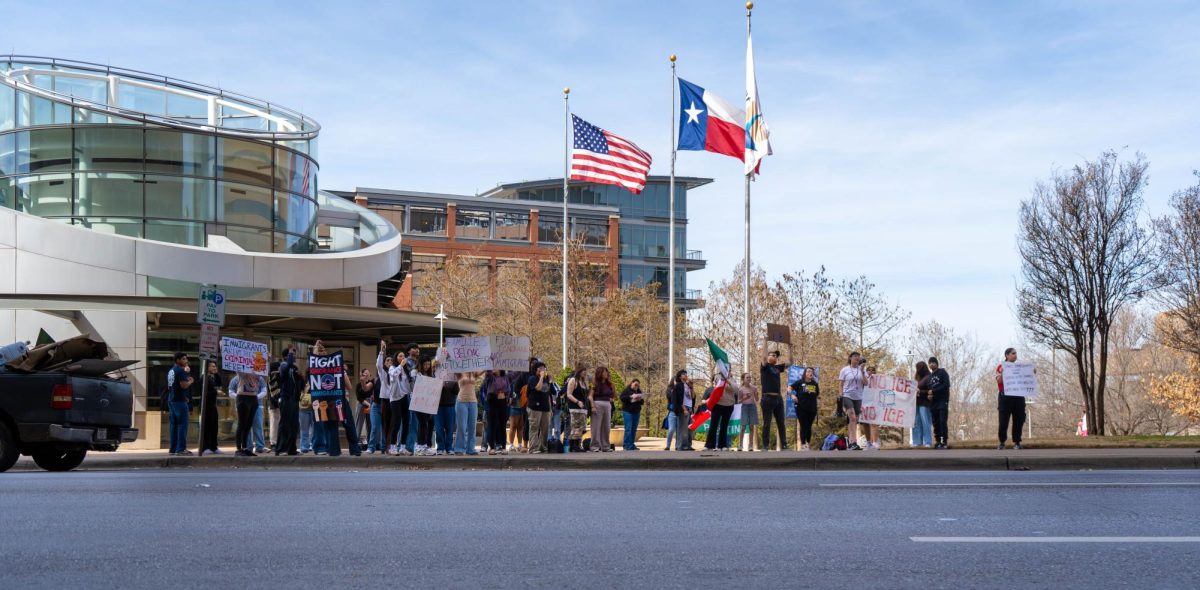
“You know, you turn on the news, and you hear about all these terrible things that are going on like ICE raids, you’ve got the Epstein files, people getting deported that are American citizens,” Golden said. “It’s just so, like where do we live? It’s like we live in a third-world country.”
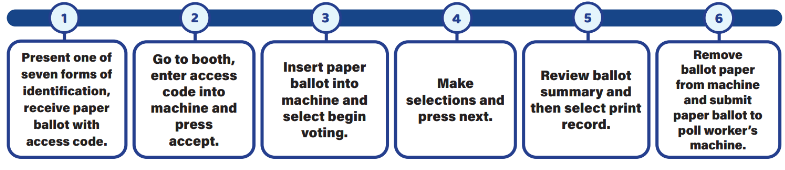
Step-by-step on voting