











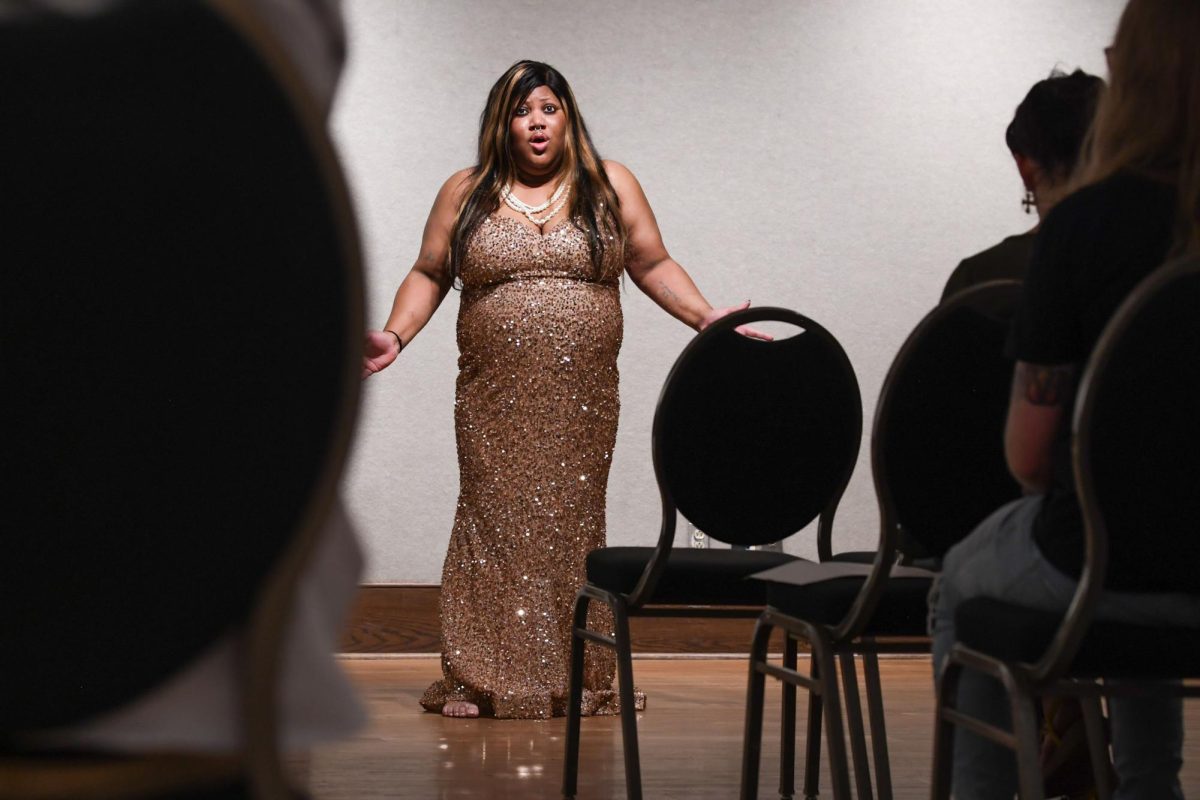
The sound of a piano, rising and falling in a melodical dance, drifted throughout the NE Campus communication arts building.
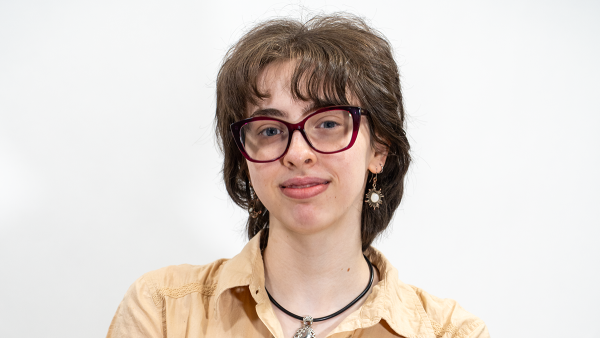
Christina Ray’s voice rose above the piano, singing “Think of Me” from “The Phantom of the Opera.” She looked at an empty seat between her smiling family members. She had reserved this seat for her late mother, who died in 2024.
“I’m trying to build my confidence because in the midst of starting my music major my mom passed away,” Ray said. “I’ve been to a couple of weddings where they’ll have a memorial seat for a certain family member, and I was just thinking to myself, ‘Well I’ll just do that for my mother.’ Because my mother never got a chance to see me perform, and that bothers me a lot.”
Ray sang opera for her sophomore recital of the semester April 14. The sophomore recital is a 30-minute performance during the end of a student’s private lessons, in their second year of music education.
Her sophomore recital was only one of the many student performances that is held every semester by the NE music department.
The recitals, which music students are required to attend a certain amount per semester, were designed to help build student confidence and experience in performing and give feedback.
Each performance is critiqued on technicality, vocal dynamics, rhythm, composure, breath and more.
Universities that offer music degrees usually require an audition for music education enrollment. For some students, these recitals are not just a chance for feedback, but a practice run for the future of their education.
NE music professor Jeff Lankov is one of the instructors in the recital lab, where students practice and improve upon each performance before the public recital.
“I hope that they get out of it a love for performing, a love for the process, the preparation that goes into it and feeling like it is a satisfying experience performing, as opposed to something that is terrifying or mortifying,” he said. “It’s hard for anybody to get up in front of a new group of people and do anything, let alone something that is really new to a lot of them.”
NE Music Club secretary Malaika Mbombo said that while performing in front of her peers can be intimidating, it is also a great way to build confidence.
“It is indeed nerve-wracking,” she said. “But no one’s critiquing negatively. Of course, there’s parts where it’s like ‘Oh, maybe this person could have done better if they maybe breathed a bit more or they approached this in a more musical sense, or had better technique.’ But it’s not our major focus, it’s more like we’re nervous about performing for other people, but we still enjoy it.”
Each student has techniques they use to calm their nerves for performances. Ray chooses to take off her glasses.
“I can’t see people’s reactions,” she said. “So that forces me to completely focus on myself and focus on the song.”
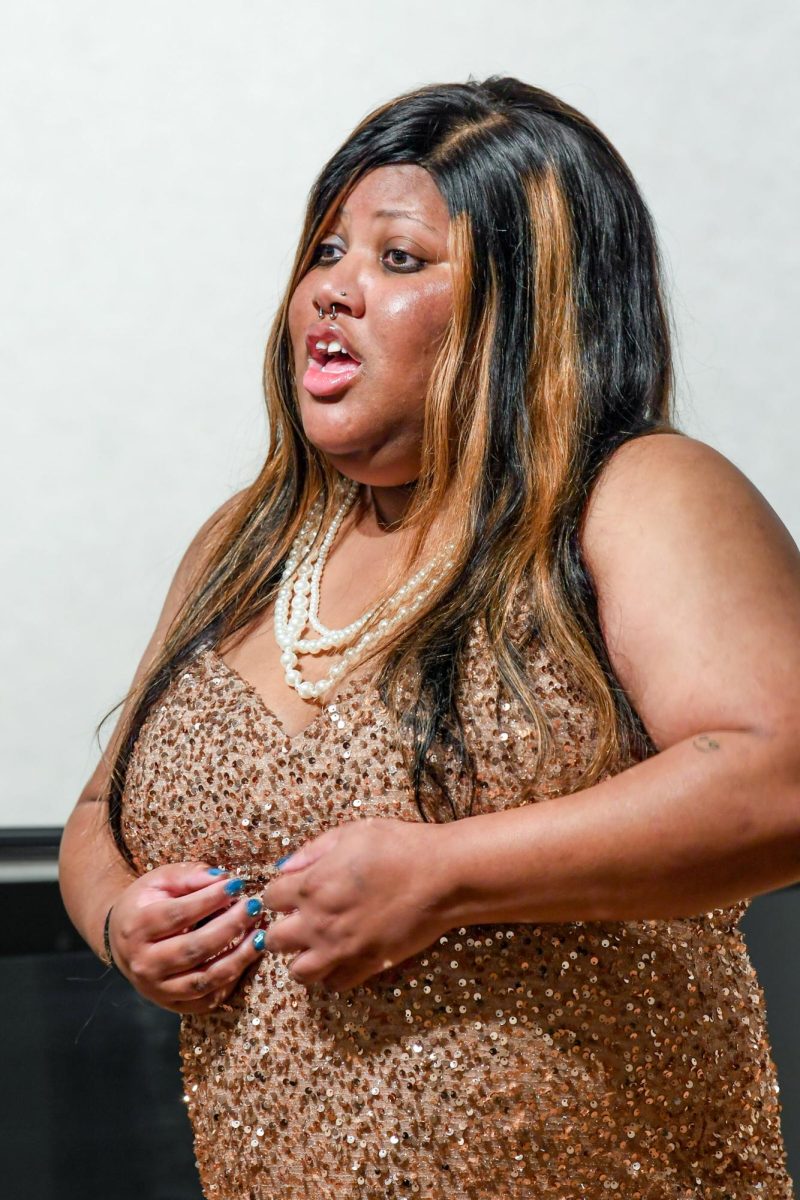
Music students are given private lessons to work with their instruments under tailored tutelage. In these private lessons, students choose their recital songs and prepare for their performances.
NE instructor and private music tutor Tricia Schimpf, who has taught Ray for two years, attended her recital.
“She’s had an interesting road, but she’s really grown as a singer and performer,” Schimpf said. “There’s always things that you wish you’d done better when you go back and listen to your recital or you listen to a performance. … [But] she did a really good job. I was very proud of her.”
Ray has had a long and difficult journey in her pursuit of a music education.
“Losing a parent is one of the most difficult things a student can experience, especially with the existing stressors of school life,” said NW music instructor Adam Koch, who also lost a parent when he was in college. “While it is impossible to solve someone’s grief of loss, I had a fundamental empathy for what she was experiencing.”
Ray said Koch was one of her teachers who refused to let her drop out of classes after her mother died.
“He saw the passion, and he saw how happy I was to be in class [before],” she said. “There were a couple of times that I told him I wanted to drop. I told him I wasn’t going to register for the next class, and he was like, ‘No, you’re going to register for this class. You’re not going to drop this. You’re gonna keep going.’ It felt really nice for him to give a damn.”
Ray plans to take a break to process and grieve after graduation. She is determined to continue with music, especially after remembering how she, her sister and her mother would bond over music.
“I would get flashbacks of my mother singing randomly in the house when I was younger,” she said. “I wouldn’t say she’s the reason I used my voice as a singer, but I do remember her constantly, randomly singing. My mother honestly really did love music.”