



















Starting Jan. 1, full-time employees will not receive a 2% cost of living raise if they are at the top of their salary range.
At its meeting Nov. 20, the board of trustees discussed the Annual Compensation Plan, which addresses the allocated budget funds for employee pay.
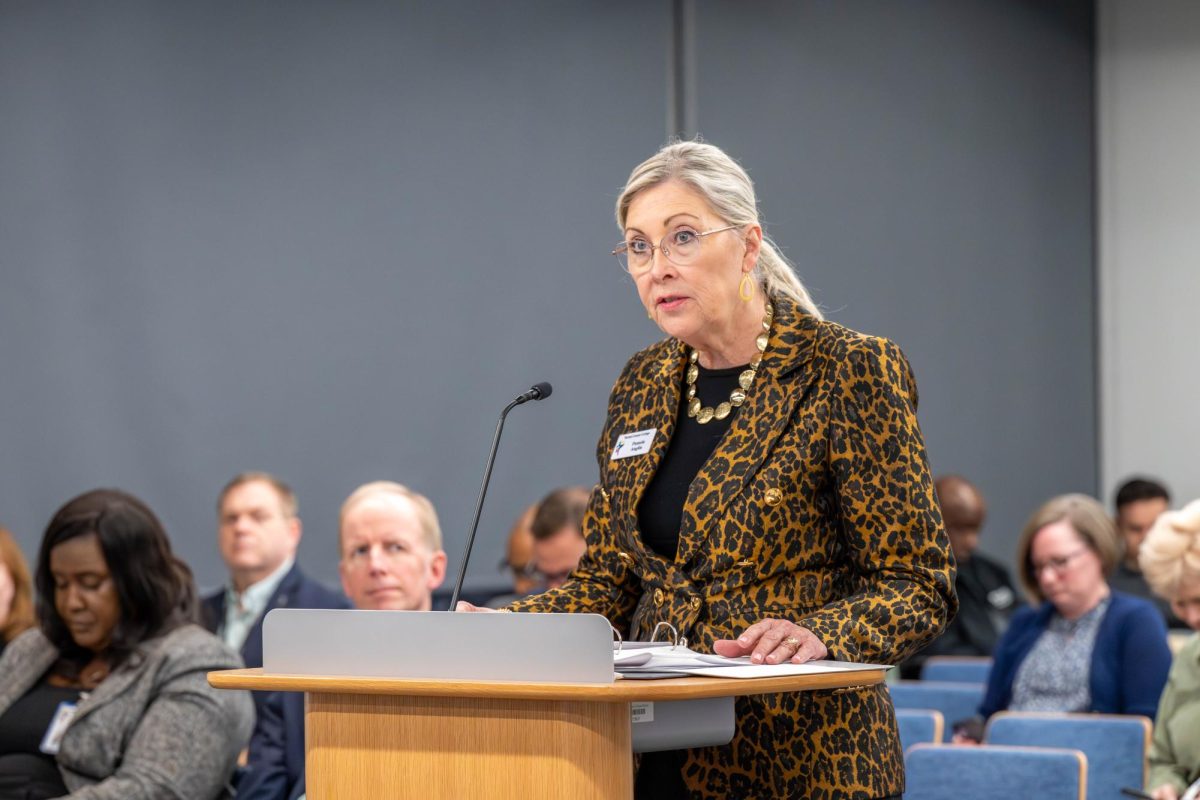
Inside the plan, the adjustment for a wage cap came after the shift from the original class code pay scale to the newest salary grade system. According to Gloria Maddox-Powell, chief human resource officer, it is designed to better categorize the variety of employee wages.
To address fair wages across the board, Maddox-Powell explained that the raise limit in the grading system will allow newcoming employees to be paid the appropriate amount based on the work they are hired to do.
“We had to acknowledge the people that are outside of that range and to not use that salary and try to map people to it because it’s out of alignment already,” she said.
An example that Maddox-Powell provided was for employees at paygrade one. Their salary can be approved up to the cap of $53,100. Those at that dollar limit and above do not qualify for the cost of living 2% increase. This also applies to the other 12 grades newly created.
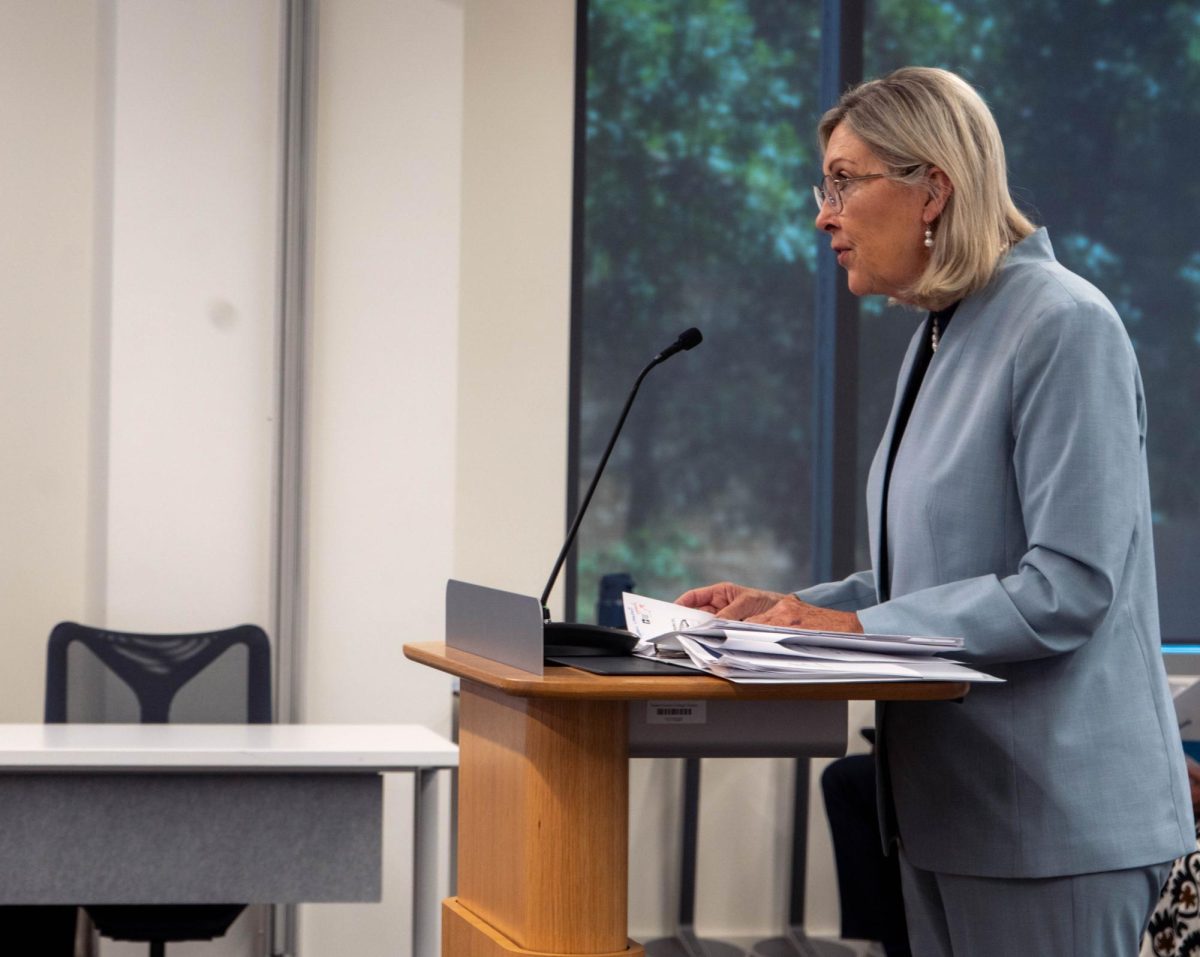
While some board members, like Gwendolyn Morrison and Shannon Wood, questioned how the limit would impact employee wages and retention, President Jeanie Deakyne commented that understanding paygrades and workload clarifies how an employee could move from one grade to another through applying for a different position.
“I will offer up that paygrades do not make the assumption that just because you are in a position for a longer length of time that you get more compensation,” she said. “There are levels of work that are associated with pay grades.”
Though it would pose a limit for the employees who have or will reach the cap, Maddox-Powell said that only 74 employees would be affected by it by January.
Ultimately, the compensation plan passed, and with it the approval for the chancellor’s new base salary of $551,560 and a one-time merit payment of up to $50,000 for meeting the goals the board outlined for her over the past year.
Before voting to approve the salary, however, Trustee Laura Forkner-Pritchett explained her choice to withhold her vote.
“I oppose a salary increase for the chancellor at this time. This is not a reflection of the chancellor’s performance –– rather it is opposition to an increase in spending during a period when our budget is being stretched due to challenging economic conditions,” she said at the meeting.
While property value appraisals have been frozen that limits tax revenue and tuition rates have also been frozen, the salary study restricting increases for employees at the maximum of the salary range led Pritchett to believe that voting now on the chancellor’s salary increase is not fiscally responsible.
“Our priority must be safeguarding public funds and maintaining trust in how we allocate resources,” she said.
Deakyne said that she trusts in the chancellor and her executive team, and that shows in the newest salary contract.
“I will say, as part of this discussion, that this contract does reflect the board’s faith, confidence and overall extreme pride in how you lead this institution,” she said. “We are very grateful for the work that you have demonstrated, and we look forward to your future service and continuation of making us very, very proud.”