



















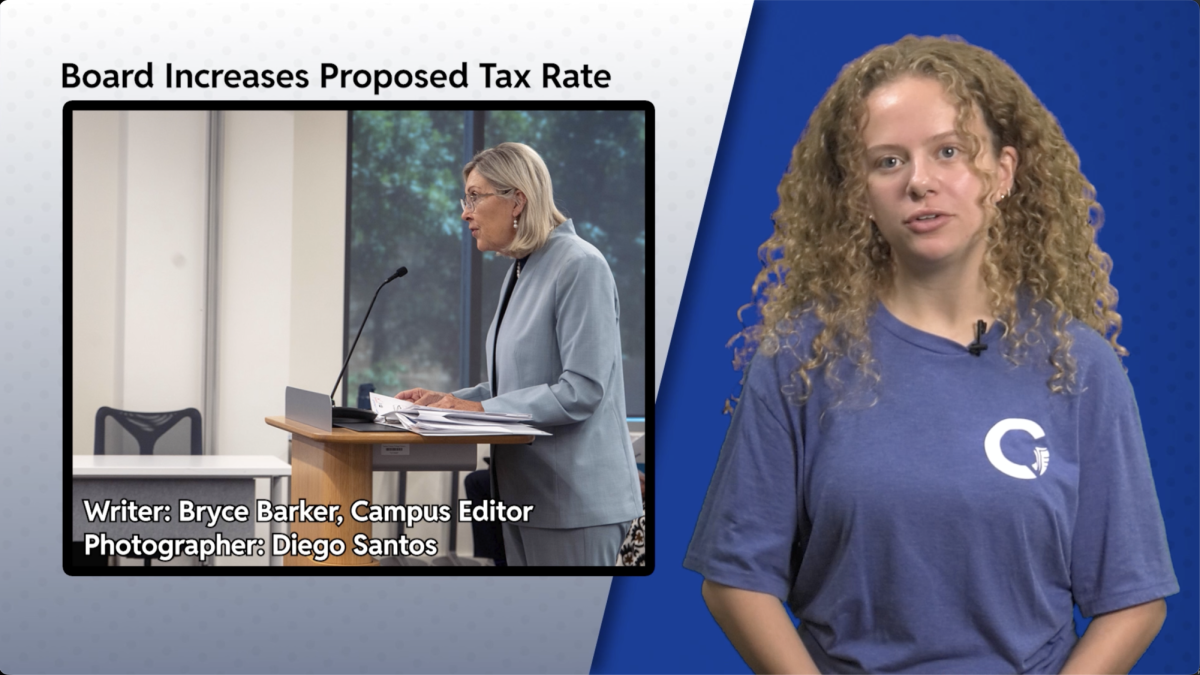
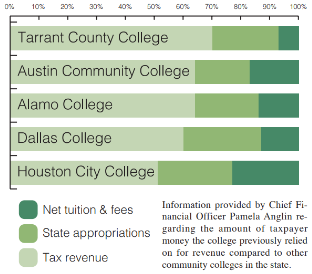
The board of trustees will vote on Feb. 26 whether to implement student fees in the 2027 academic year to offset the college’s decrease in revenue as more legislative tax exemptions are introduced.
“These updated fees help support the services students use every day and the career-focused programs that prepare them for in-demand jobs,” said Chancellor Elva LeBlanc in a statement to The Collegian. “Financial aid and scholarships can be used to help cover student fees.”
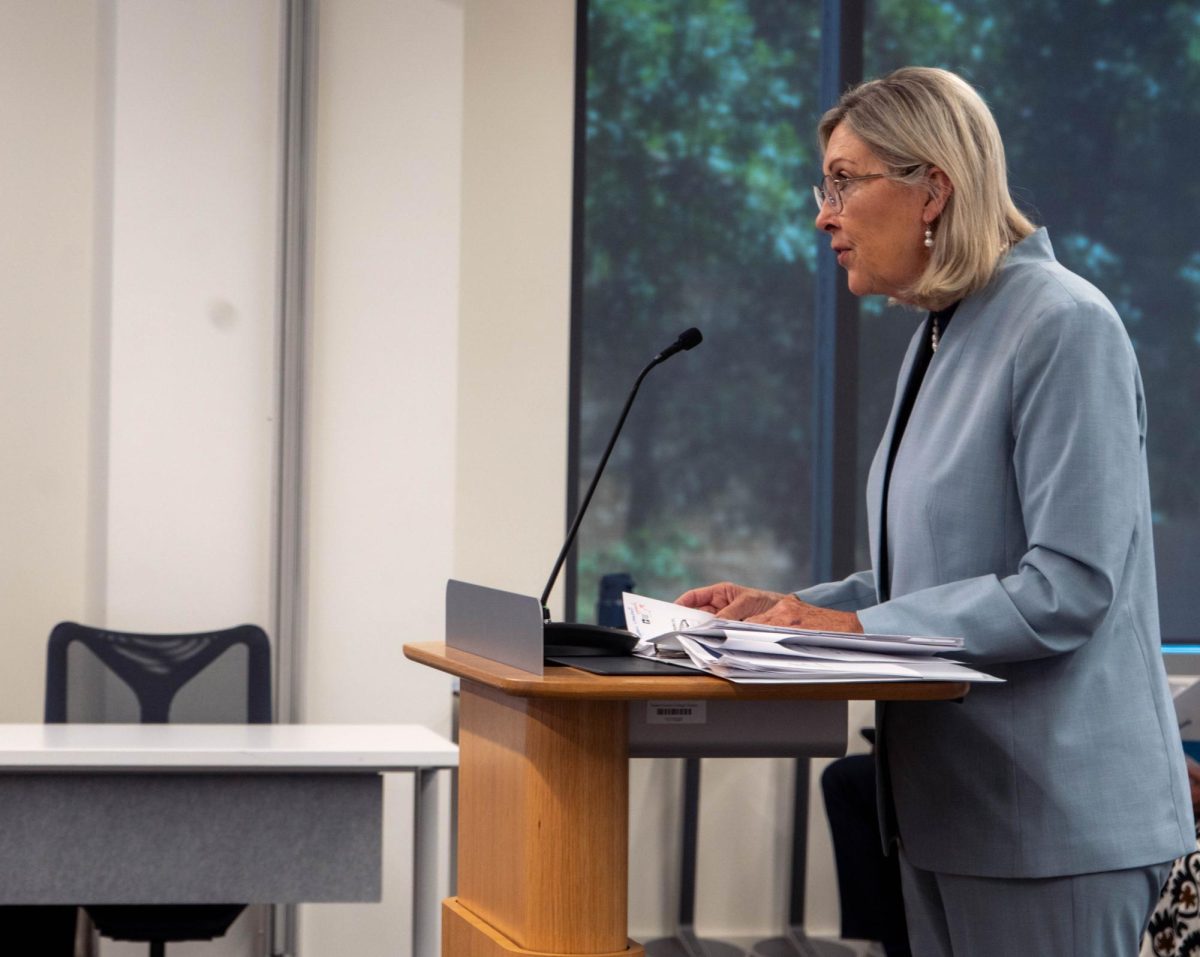
Last semester, Chief Financial Officer Pamela Anglin said a committee of administrators, faculty and staff members from all campuses examined the college’s expenses compared to other Texas community colleges similar in size.
“In some cases, we were the only college paying [some expenses] for students,” Anglin said.
One of those expenses is lab hours. TCC has never charged students extra money for a lab, but the state allows a college to charge up to $24 per credit hour. So, the committee recommended the college charge a flat rate of $24 to students enrolled in a class with a lab.
“That’s what it’s more of,” Anglin said. “It’s passing on a direct cost to the student. We’ve really been fortunate in the past because of our tax revenue.”
Another potential fee would be the cost of materials for programs the college currently provide for students.
“In nursing we’ve been buying software packages for each student, and it was a significant [cost],” Anglin said. “Other colleges don’t do that.”
TCC’s board of trustees debated student fees at its work session meeting on Feb. 19, where they discussed how the budget is facing a new reality due to tax exemptions.
“Historically, we’ve been relying on about 70% of our budget … coming from property taxes,” Anglin said. “So, as property tax revenue goes down, we have to come up with money from another source.”
These legislative changes have caused the college to lose a significant amount of revenue it previously received. Different business and homestead property tax exemptions have already caused the college to lose a lot of money during the past year.
“It’s millions, lots of zeros,” Anglin said. “And all of this is happening at the same time as operating costs are going up.”
Along with tax exemptions, the college is also entering its fourth year of a tuition freeze mandated by Gov. Greg Abbott. To combat the significant decrease in revenue, the college is working on receiving more funding from the state.
However, in 2023, the state changed how it funded colleges. Instead of focusing on enrollment numbers, funding is now dependent on students completing a degree, transferring to a university or entering the workforce.
Vice Chancellor for Communications and External Affairs Reginald Gates said the college is looking to see what it provides that is excessive in comparison to other colleges in the state. He said some of the packages provided for students have amenities included that students don’t use.
“We look at efficiencies … and see what is true usage,” Gates said.
While focusing on narrowing its expenses and innovatively increasing its revenue, Anglin said the college will still prioritize student success.
“Part of our mission and the state’s expectation, and our taxpayers’ expectation, is that we’re training people to fill the jobs in Tarrant County,” she said. “The workforce of the future.”