











Some math instructors at TCC are using an alternative method of teaching, called flipped classrooms, to boost the success of their students.
In a traditional classroom, instructors introduce new material during an in-class lecture, then students attempt to solve math problems on their own time. A flipped classroom is where the students’ homework is to watch the lecture, while class time is spent working through assignments, often in groups, with an instructor’s guidance if necessary.
Math is typically associated with long lectures, pages of notes and hours of struggling with homework. But in a number of TCC classrooms, students like Arleanis Aguilarte have realized that doesn’t have to be the case.
“Once you get used to the structure and understand how it works, it actually becomes much easier and lighter,” she said.
Instructors such as NE Campus’ Kim Campbell use flipped classrooms to reshape how students experience math. She records lecture videos for students to watch in preparation for class. Along with the videos, students complete a set of guided notes to follow along and maximize their understanding of the concept.
Watching lectures at home gives students the opportunity to pause and rewind sections as many times as needed, instead of potentially feeling pressure to keep pace with a live lecture.
NE student Llivian Hart works a night shift, so she benefits from the freedom of being able to watch the lectures at any time.
“Instead of sleeping through the in-class lectures, I can listen to them at night and take notes on the material while I am naturally more awake,” Hart said. “And engage with the material during the day, where I can make mistakes and ask questions while I am a little sleepy.”
When students come to class, they are expected to have already seen the material, essentially turning the class time into a practice session. Instead of focusing on the instructor, the flipped classroom prioritizes student engagement.
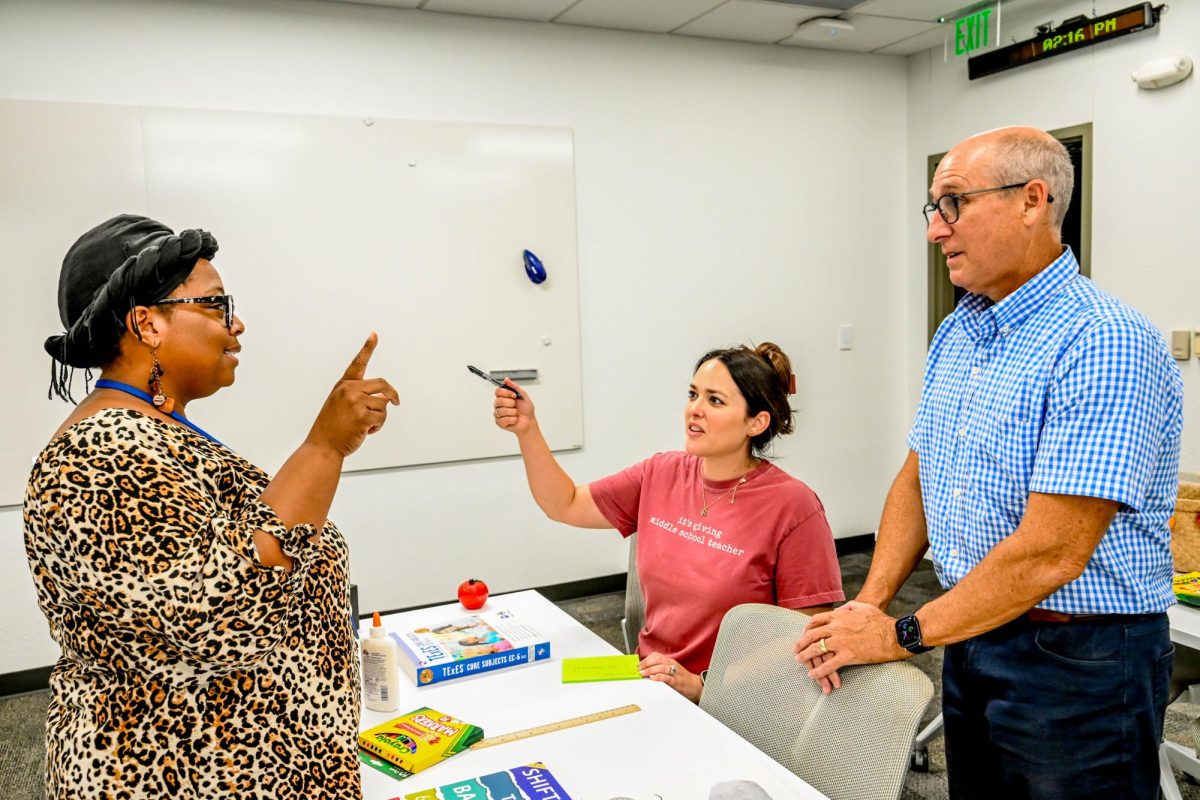
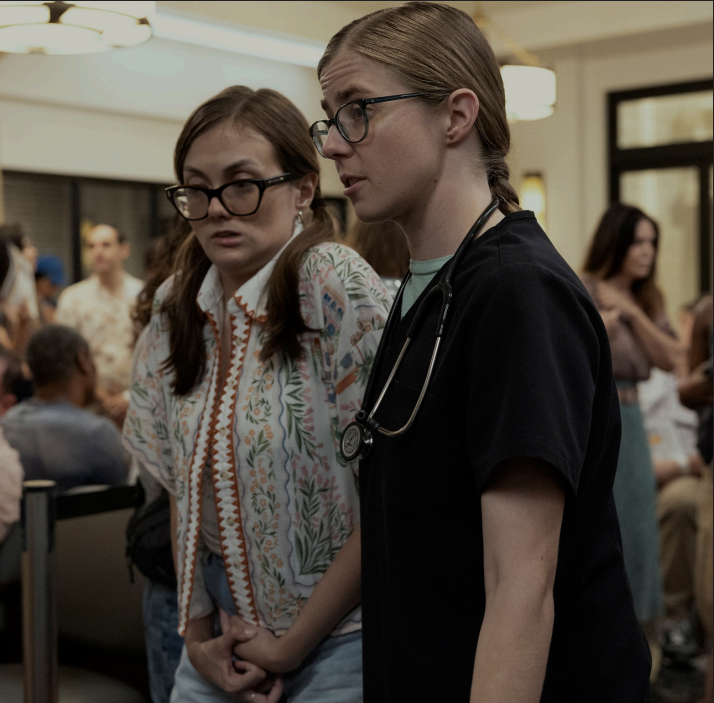
Students collaborate to solve problems, leading to peers talking through challenging concepts with each other. Instructors move around the room, answering questions and helping students navigate areas of struggle in-person. It creates space for students to make mistakes without feeling intimidated or isolated.
The result is a classroom that is busier, and sometimes noisier, but far more interactive. It may look different from the math classrooms many students are used to, but the goal remains the same: success.
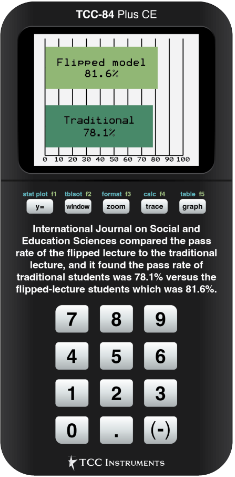
A 2021 study published by the International Journal on Social and Education Sciences showed flipped classrooms for first-year math students leading to an 81.6% pass rate, opposed to 78.1% in non-flipped.
“In these classes, I actually understand the concepts and learn the material,” Aguilarte said. “I’m not just trying to pass the class.”
Campbell records lectures, develops guided notes and brainstorms learning activities, requiring her to give up significantly more of her own time than if she were delivering traditional lectures. But for her, it’s all worth it.
“It’s a lot more fun to get to see the students learning and when those light bulbs [in their heads’] come on,” Campbell said.