








As we near the midterm elections, it is becoming increasingly harder not to be bombarded with outrageous political ads.
At its core, campaign ads should be about a specific candidate and what policies they are running on to properly inform voters about their stances. Instead, they have become a spectacle mirroring reality TV and cost millions to produce.
In the U.S. Senate race in Texas alone, spending has exceeded $500 million, making it the second non-presidential race to do so in the country, according to AdImpact. All this is just for voters to see how far American politics has slipped.
These elections ads hit us in every direction, from TV to social media, and they rarely offer policy proposals, reforms or even basic plans. Instead, they lean on demonizing opponents from personal attacks to outright lies.
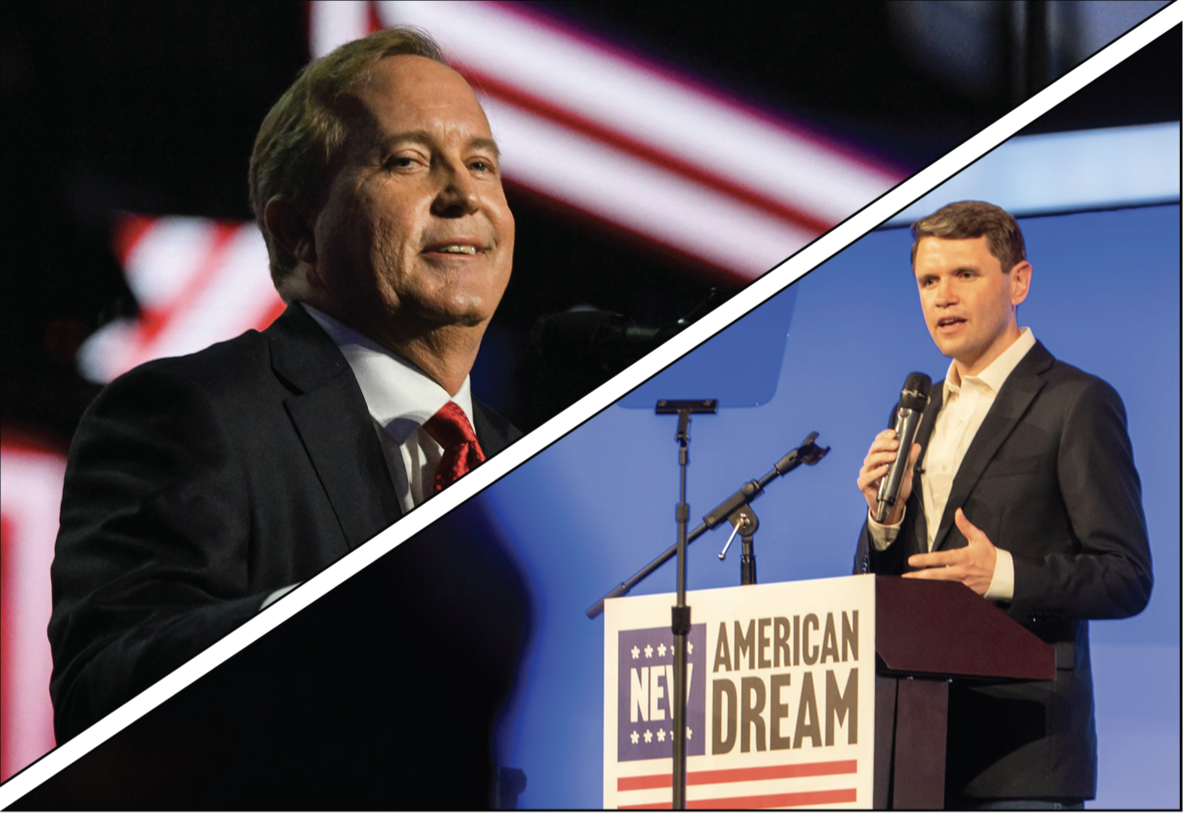
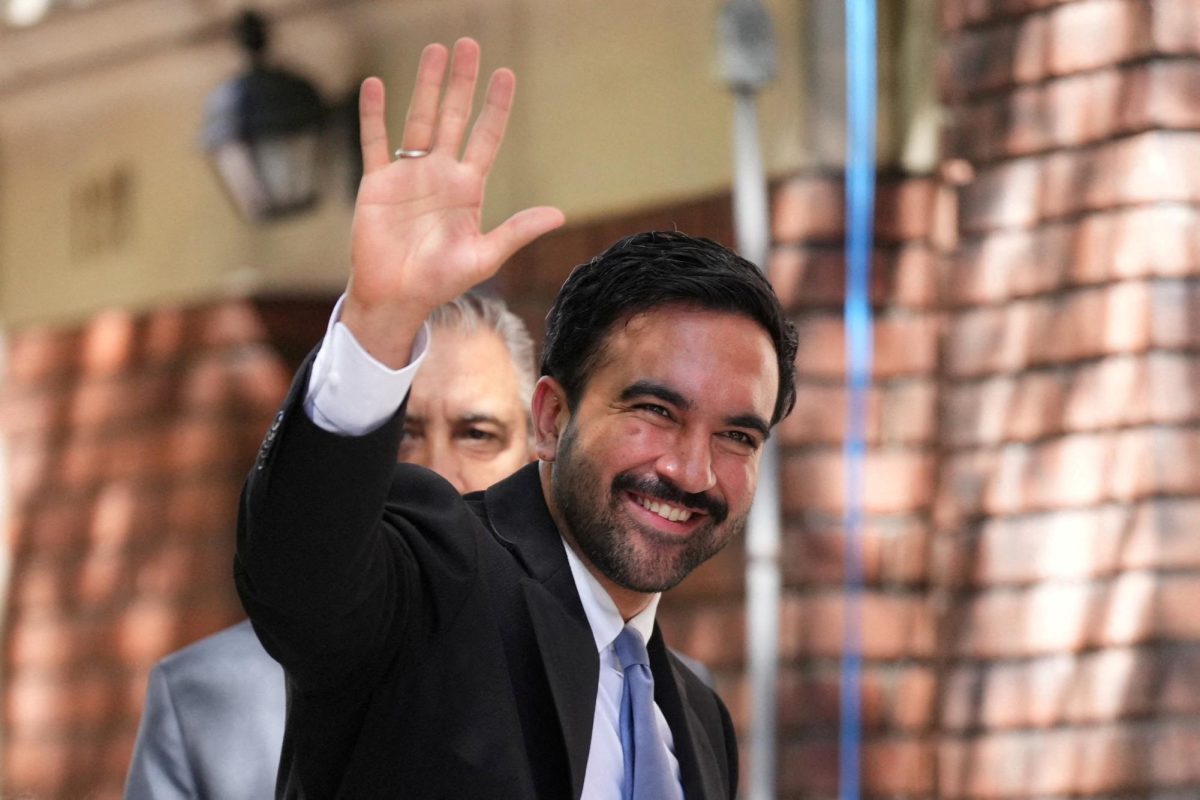
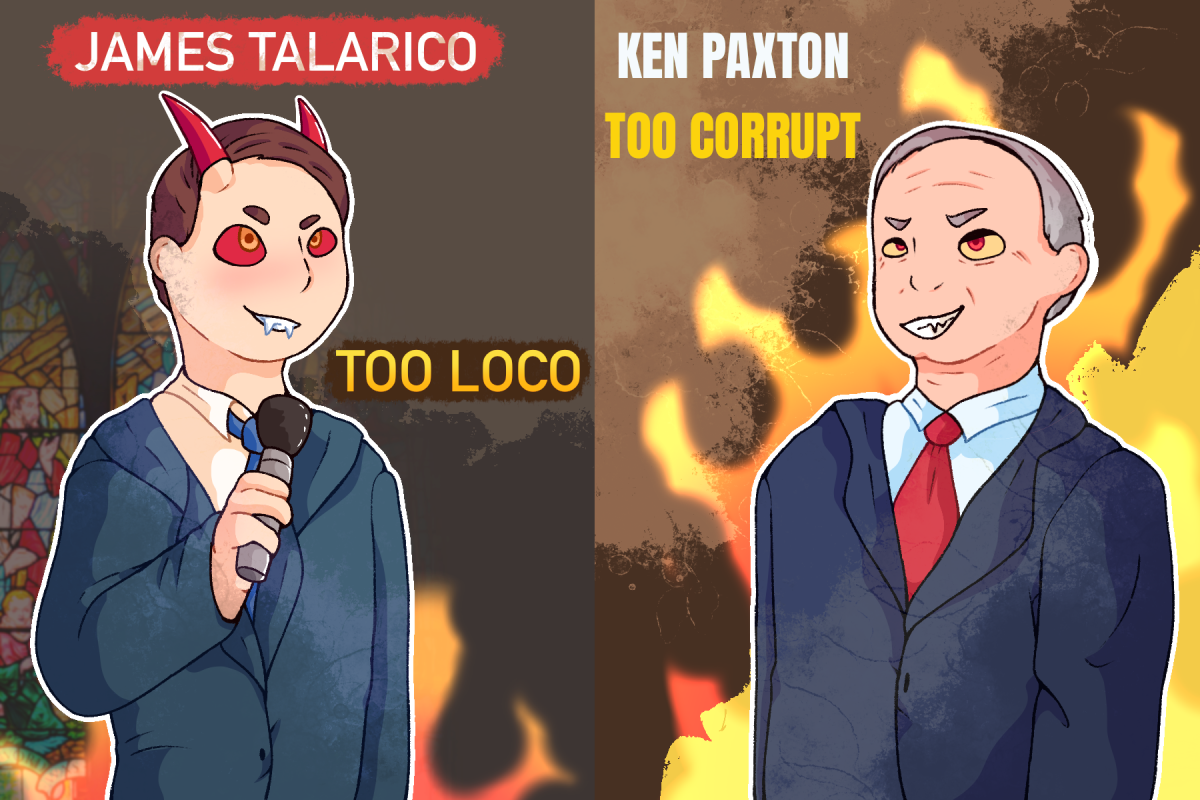
The clearest example is that very same race between Republican Attorney General Ken Paxton and Democratic state Rep. James Talarico. At the start, the ads were relatively tame with both candidates mostly talking about what they stand for. As Election Day gets closer, ads have snowballed into absurdity.
Paxton released an ad Sept. 8 titled “King James,” showing an artificial intelligence-generated Talarico talking and doodling a drawing of himself wearing a crown in the Bible. Talarico then countered that ad in an interview the next day, saying that AI deepfakes need to be banned as they are misleading and add nothing to civic discourse. He’s right.
But all of these ads, including Talarico’s, interrupt movies, TV shows and the YouTube video a teacher is trying to show their class. They even follow us into a doomscroll on social media. It’s become impossible to escape.
It’s not just the Senate race yelling in our faces. It’s every race. According to WFAA, Gov. Greg Abbott has spent over $140 million on his re-election campaign ads against Democratic opponent Gina Hinojosa. And she fought back. Both of their ads have turned into digs about each other with little to do about policy.
$140 million is a lot of money for political theater while everyday Texans struggle with the rising cost of groceries and gas. Campaign funds are donations, not tax dollars, so candidates can’t simply redirect them to schools or roads. But the people writing those checks could and so could the candidates who choose to spend them on attack ads rather than a real conversation with voters. It’s a question of priorities, and the priorities are tone-deaf.
The ads themselves also need guardrails. Political speech is strongly protected, and any rule must respect that, but protecting speech is different from protecting deception. At a minimum, ads that use AI-generated audio or video should be clearly labeled, so voters know what’s real. Lawmakers should strengthen fact-checking standards and penalties for knowingly false claims.
Campaigns should be a chance for candidates to show us who they are and what they do. Right now, we’re being shouted at instead. Voters deserve better than being sold a spectacle.