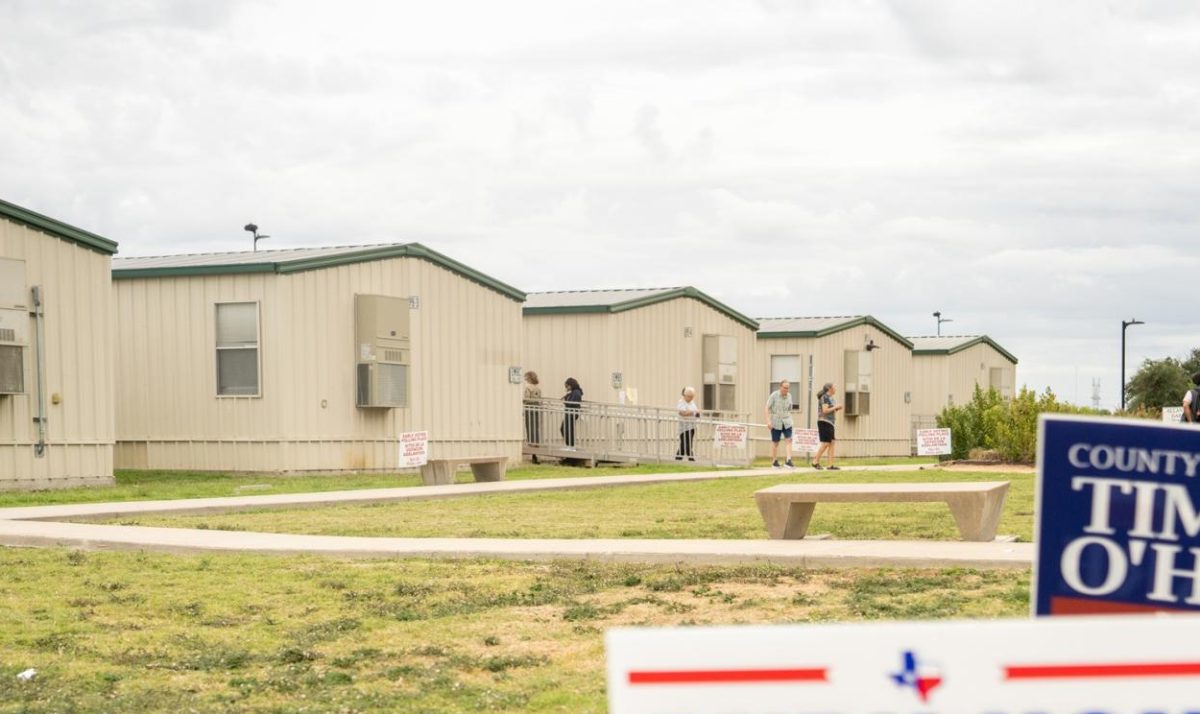






















One of the arguments Tarrant County commissioners made to cut polling locations on college campuses was because young people don’t vote. But in this election, the students proved them wrong.
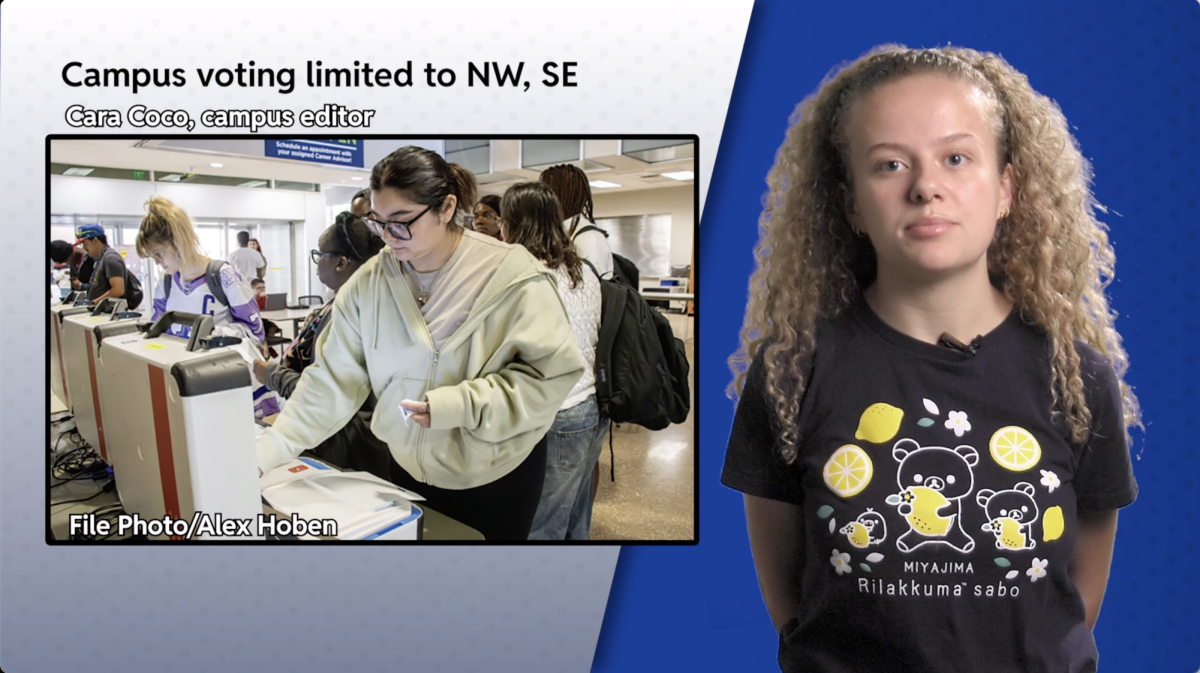
Midterm voter turnout rose significantly on both SE and NW campuses.
The commissioners voted to reduce the number of polling locations by 29% on Sept. 1. Then, just six days before early voting began, a district judge denied a request from residents in a lawsuit filed against Tarrant County and four county officials to restore the removed locations following an Oct. 13 hearing. Among the locations cut were NE and South campuses.
Tarrant County Elections Administrator Clint Ludwig argued that the proposed reductions were intended to eliminate underused polling locations and save money. However, the available voting data raises questions about whether that reasoning accurately accounts for voter turnout.
NW and SE campuses alone saw an 83% increase in early voting turnout compared to the last midterm election in 2022. This growth raises an important question: If voter participation is increasing, why are polling locations being removed rather than expanded?
The locations selected for removal also raise questions about the potential political implications of these decisions.
In the 2024 presidential election, both NE and South had a majority vote for Democratic presidential candidate Kamala Harris. Harris received 61% of the vote at NE and 70% at South. Now, those polling places are gone.
NW, however, was the only campus where Donald Trump received a majority with 54% of the vote. Coincidentally enough, that polling place still exists.
These differences do not, on their own, establish why particular polling locations were selected for removal. However, they make transparency surrounding the county’s decision-making process especially important.
Tarrant County’s polling cuts also extend beyond TCC. The University of Texas at Arlington lost its polling location as well. In the 2024 presidential election, Harris received 70% of the vote there. Following the removal, student organizations have had to organize transportation.
Dallas College, on the other hand, had 55,369 people vote early this election at nine polling locations across the college’s different campuses. This further proves that voter turnout is not falling short at colleges.
Removing a convenient polling location creates another barrier for students who are already navigating the challenges of participating in elections.
With a population of nearly 2.3 million spread across approximately 900 square miles, accessible polling stations near voters’ homes, workplaces and schools are a necessity. As the county continues to grow, reducing the number of voting locations raises real concerns about whether election access is keeping pace with population growth.
Regardless of the county’s stated intentions, the consequences of these cuts matter. A polling location that is no longer available is one less opportunity for residents to exercise their right to vote.
Tarrant County commissioners should restore the affected campus polling locations before the next election and publicly release the methodology used to determine which locations would be eliminated.
Voting should not become more difficult simply because a convenient polling location has been removed. The right to vote means little if exercising it becomes unnecessarily difficult.