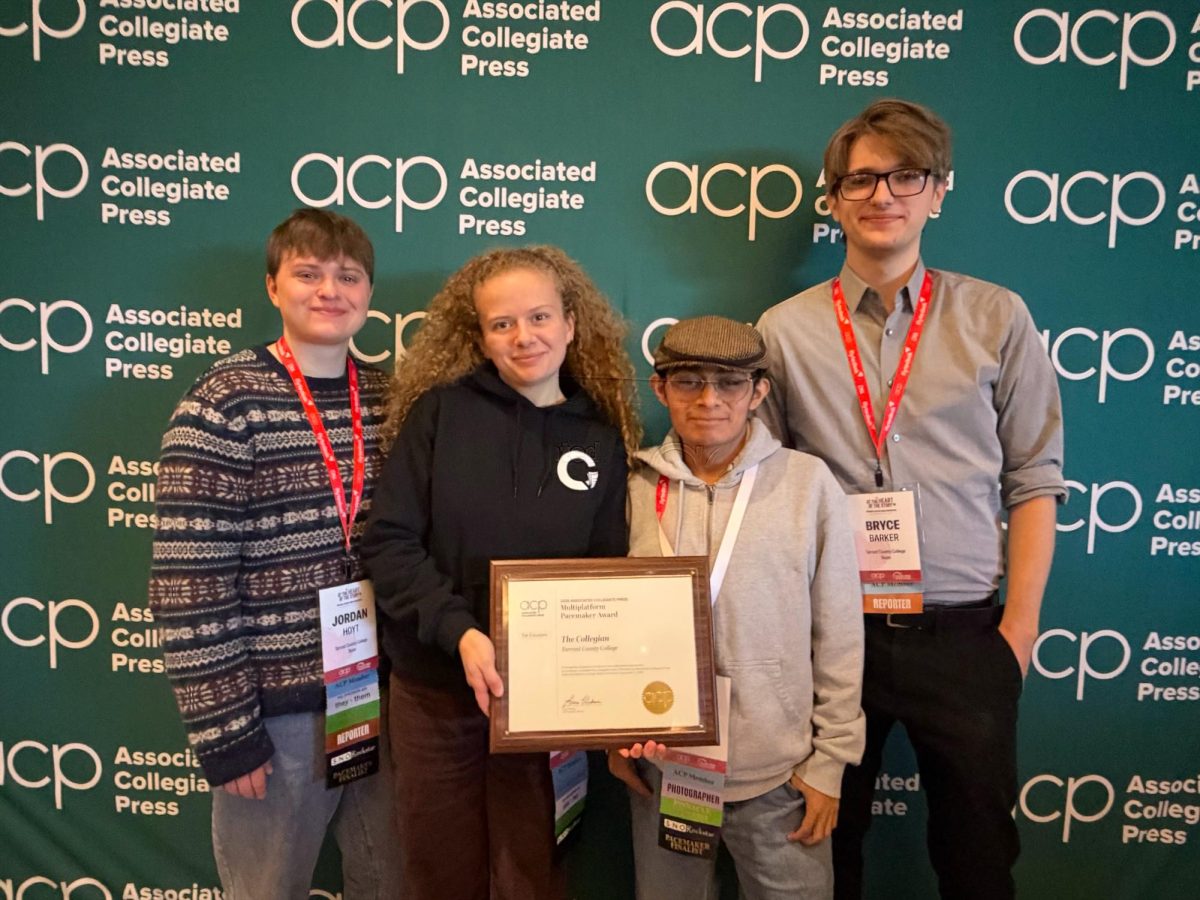






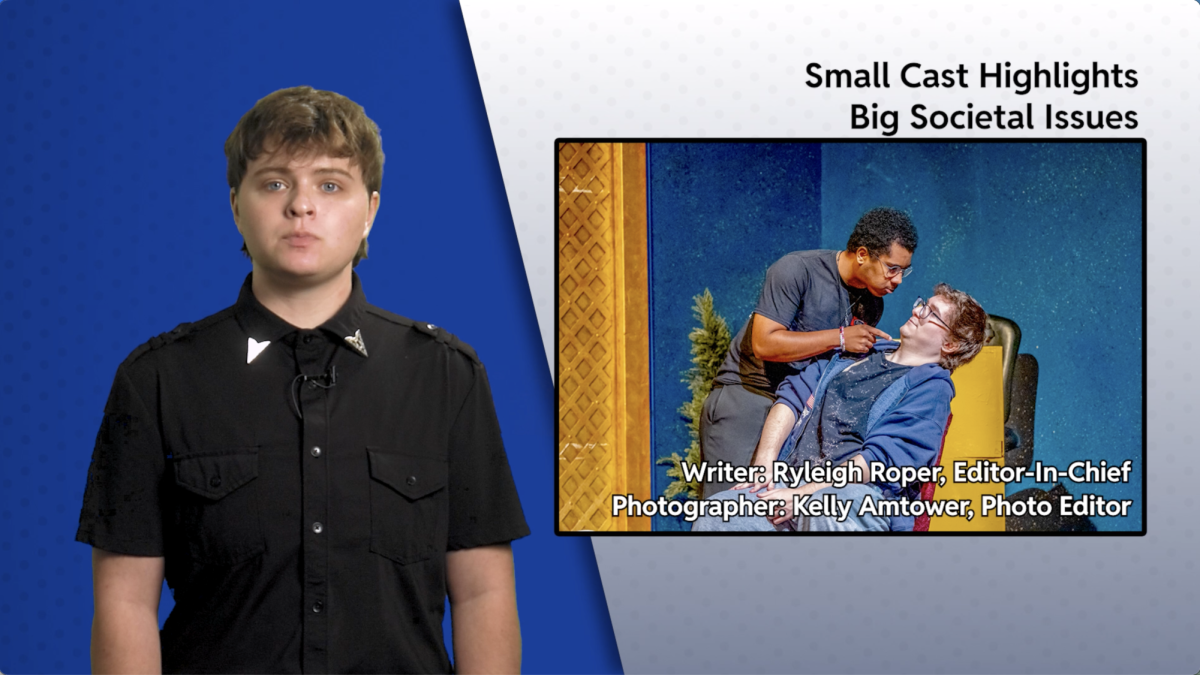
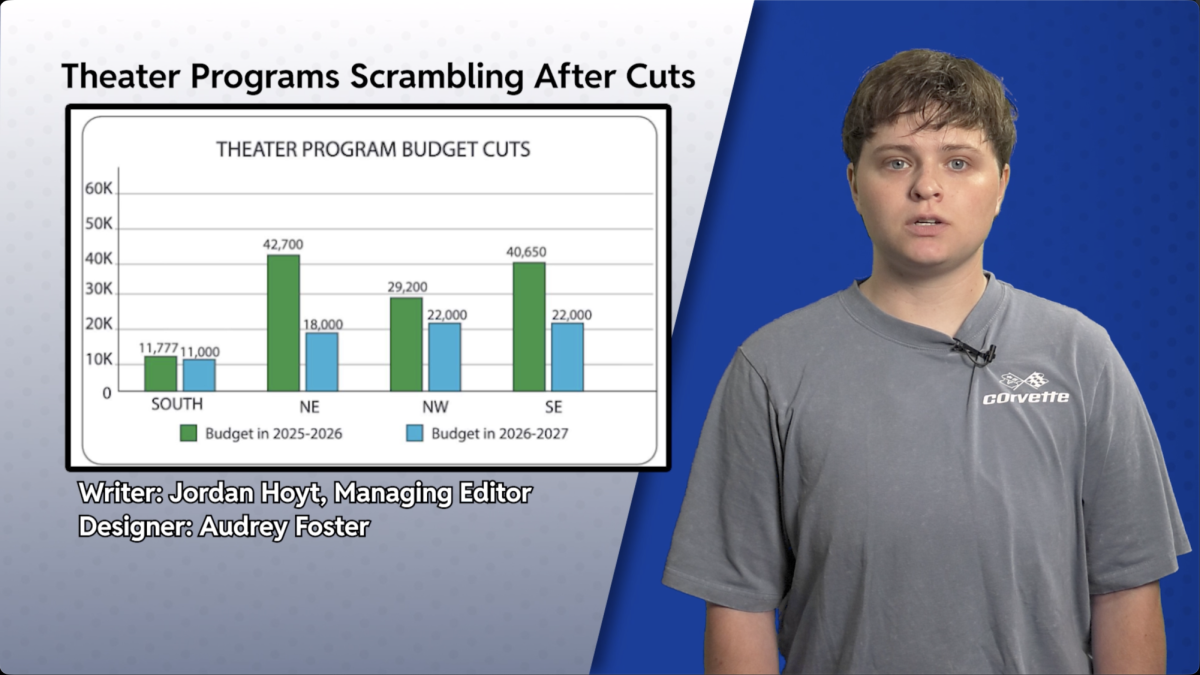
The Collegian won what is considered the Pulitzer Prize of college media — twice.
The staff was awarded the Associated Collegiate Press Pacemaker Award for both newspaper and multiplatform, which includes print, online, social media, digital newsletter and multimedia content.
The Pacemaker honors excellence to the top student media outlets in the country.
This marks the first time the publication has won two Pacemakers at one time. The Collegian has been awarded the Pacemaker eight times in its 38-year history, including an online Pacemaker in the spring.
The Collegian was the only Texas student publication to win the multiplatform award among two-year and four year schools. Only two two-year schools in the country won both the newspaper and multiplatform awards. The other was El Camino College in California.
The awards were given at the National College Media Convention held Nov. 4-7 in Kansas City, Missouri. More than 1,000 students and advisers from across the country attended to learn from media professionals and to network with those within and looking to go into the media industry.
Overall, The Collegian won 34 total national awards at the convention, breaking last years record.
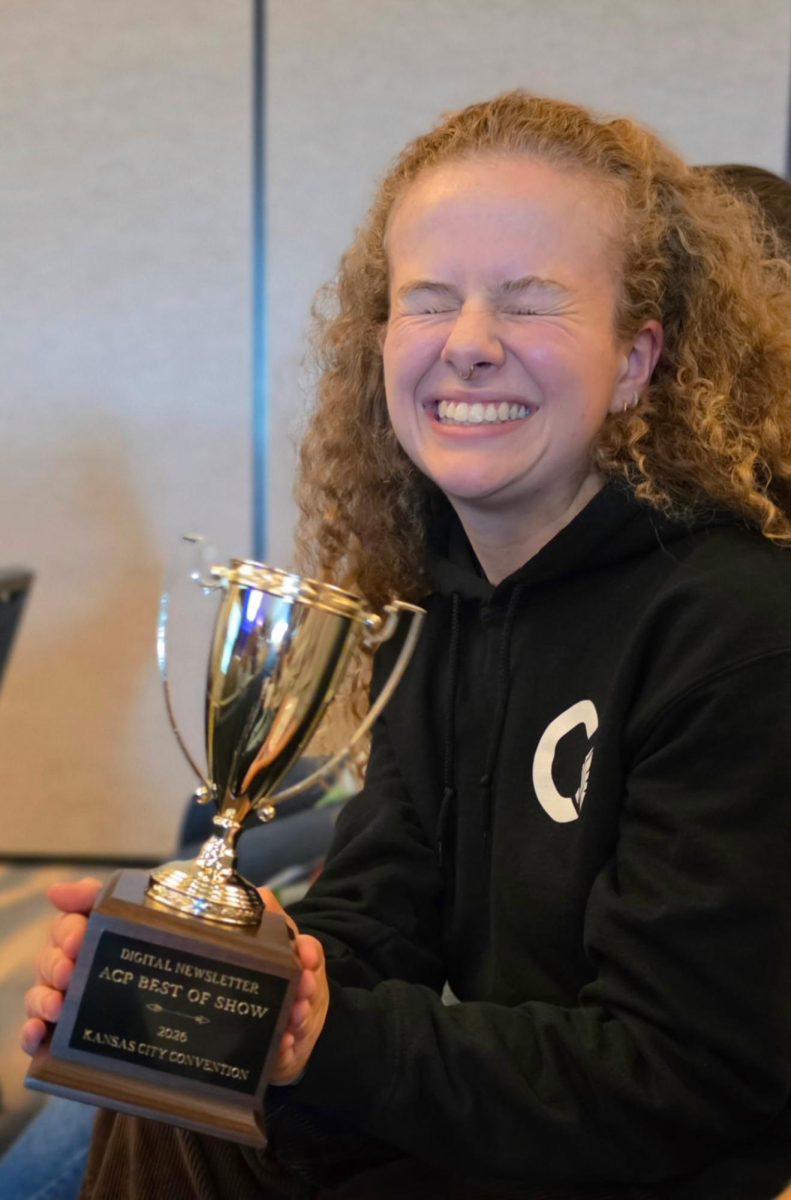
“It’s really amazing,” said Ryleigh Roper, current editor-in-chief of The Collegian. “Last year, we broke a record when we hit 32, and hopefully, we can kind of keep that momentum going.”
Former editor-in-chief Ash Petrie won eight awards, including five first-place honors.
Petrie’s award-winning stories include a breaking news story about student voices challenging DEI-related restrictions in cultural clubs, a story following a dance instructor who was fired and a breaking news story about student protests against ICE on NE and TR campuses.
Petrie credited her advisers and staff for pushing her forward.
“All of these people supported me in a way I never had been supported before, and the only reason I was confident enough to accomplish what I did was because of them,” Petrie said.
For these kinds of stories, Petrie said, a reporter has to be persistent, ask difficult questions and constantly follow up with sources.
“It was Ash being an amazing editor,” campus editor Bryce Barker said. “She worked as an editor-in-chief and reporter and she tried to answer questions that I don’t think anybody would have thought about.”
Campus editor Matt Penrod worked alongside Petrie on the coverage of the student protests, which won four College Media Association Pinnacle awards. The Collegian also won a Pinnacle Award for Best Weekly Newspaper in its division, which included two-year and four-year schools, making it the third year in a row the publication has done so. Photographer Diego Santos won seven national awards including one for a photo about monks who journeyed from Fort Worth to Washington and back on a peace walk.
Photo editor Kelly Amtower joined him for the peace walk event that won first place for general news photo and third place for news photo package.
“I’d felt kind of frantic, constantly trying to get ‘the’ shot, whatever that was,” Amtower said. “I didn’t feel like I’d succeeded yet in that endeavor. Then Diego and I made our way to the top of the temple steps, and we looked out over the crowd. That’s when I got my shot of the huge crowd of people from literally all over the country who so desperately needed this and were willing to stand in the cold February rain.”
Campus editor Cara Coco’s opinion piece against conversion therapy received honorable mention for best column in the ACP awards among two-year and four-year students nationally. She argues that being a journalist is like being a historian.
“Your job is documenting something that happened or something someone said, not just for people in the now to read it,” Coco said.
Student editors produce and control the content at The Collegian but receive training and feedback from three advisers: director of student publications Chris Whitley, journalism instructor Lori Dann and production manager Stacy Luecker.
Whitley said the only thing he can take credit for is encouraging a positive culture within the newsroom.
“The culture is more about giving people a place where they can learn a craft, where they can experiment, where they can be creative, but where they can learn journalism the right way, where they can learn how to tell someone’s story,” Whitley said.
He also attributes much of the success to the programs offered at TCC.
“This is not just a victory for journalism students,” Whitley said. “It’s a victory for the graphic communication program, the photography program, the radio-TV-film program and so many others whose students took part in this achievement.”
Managing editor Jordan Hoyt said working with the advisers at The Collegian makes the process more collaborative.
“I still have a voice since this is a student publication,” Hoyt said. “There’s no overstepping or feeling like either my opinion doesn’t matter or that I’m being steamrolled.”
Penrod said that the long list of awards is a result of ethics and professionalism.
“Part of being a true journalist is having meaningful conversations with people you don’t agree with,” Penrod said. “We’ve had great leadership every semester I’ve worked for The Collegian, allowing us as students to think outside the box while executing our jobs like professionals.”
Petrie continued work on a bachelor’s degree in journalism at Brooklyn College in New York at the beginning of the fall semester. She said she has taken her experience at The Collegian with her.
“I will continue following their work for the rest of my life no matter what it is they end up doing,” Petrie said. “Every Wednesday
when I’m on the bus to Brooklyn College, I have The Collegian pulled up on my phone and I’m reading.”