

















With the rollback of federal regulations of food and agriculture, many Americans are worried the food they eat is not safe for them.
Outbreaks of cyclospora, listeria, salmonella and more have led to a lot of product and produce recalls from grocery stores this year. Cyclospora, a gastrointestinal infection caused by parasites from food and water contamination, has had nearly 20,000 confirmed cases, leading to 1,064 hospitalizations and two reported deaths in the U.S., according to the Centers for Disease Control and Prevention.
If the food we buy from grocery stores or restaurants isn’t guaranteed to be parasite-free, then where are we supposed to get our food?
It’s easy to say: “Buy from local farms!” But many are not sure where to start.
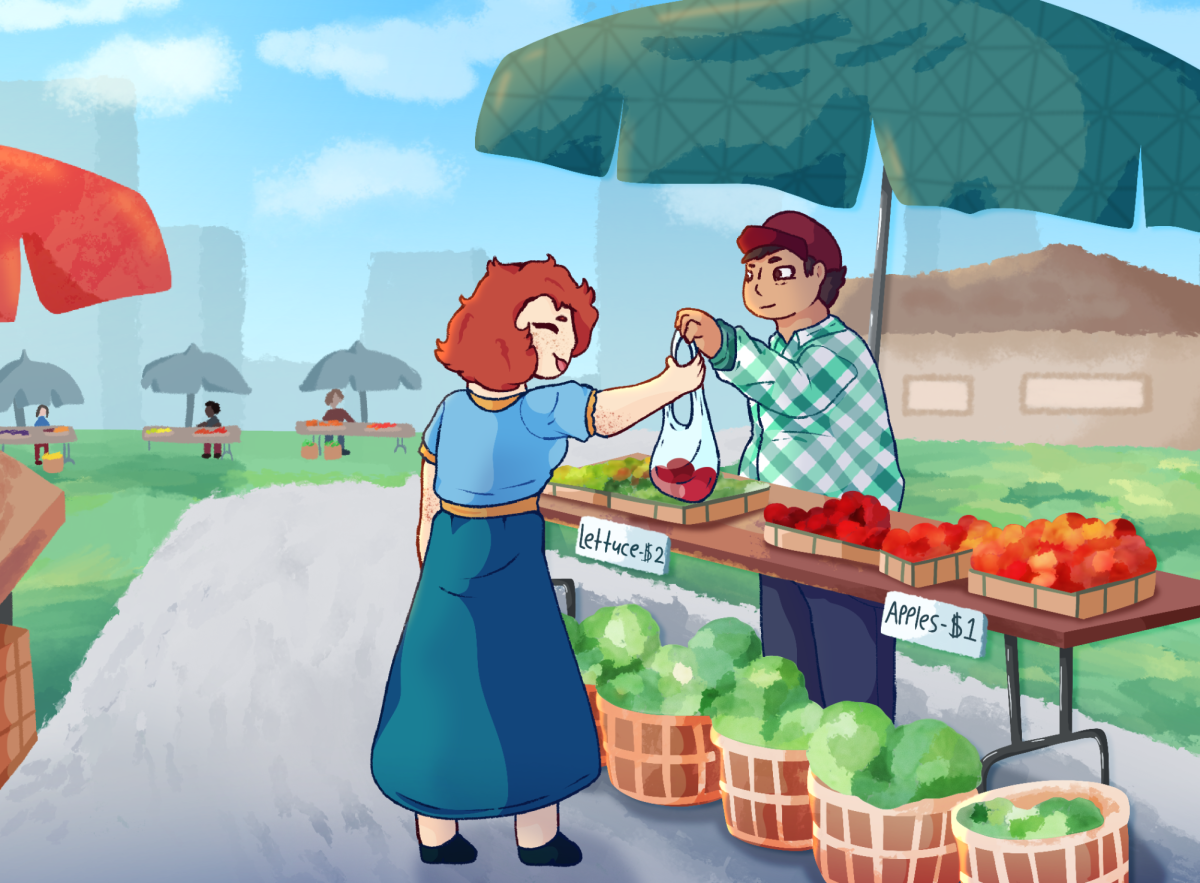
An easy place to connect with local agriculture is a farmers market.
Cowtown Farmers Market in White Settlement, held every Saturday, serves local food and goods from vendors who either grow, raise or make their products. This market is only one of the many farmers markets held in Tarrant County.
While these markets give consumers the ability to actually talk to those who grow their food, it can be difficult to consistently shop at farmers markets when some are only open once a week and can be more expensive than buying from Walmart.
One woman on social media has found a solution that works for her and is encouraging her community to follow suit.
TheIndieTrish, a social media independent editorialist, created a list of Texas farms that share her values and aren’t owned by large corporations, to encourage and guide others into spending their money with businesses that have similar beliefs.
Her guide has given Texans a starting point into buying from local agriculture.
“Thirty-thousand pounds of beef have already been recalled, and we are giving people an alternative and introduced them to independent farmers in their area,” she said in a video across various media platforms. “Don’t ever let somebody tell you that your little actions don’t make waves.”
Consumers aren’t the only ones struggling right now.
Small, family-owned diverse farms are quietly being pushed out of agriculture due to rising costs, changing state policies and corporation-backed factory farms reaching more consumers.
In a 2025 article by FoodPrint.org, around 160, 000 farms closed from 2017 to 2024. That’s 8% of all farms in the U.S. Most of those farms made under $50,000 over a span of years. At the same time, larger, corporation-backed farms increased by 36%.
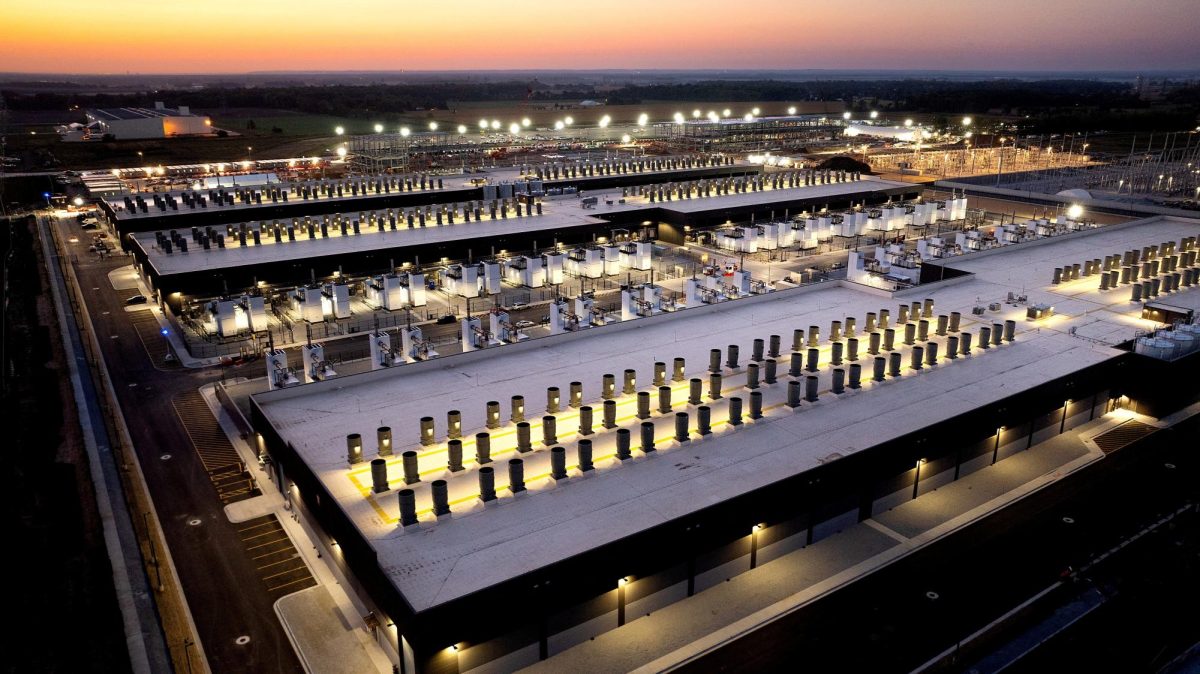
If you are against the rich and powerful building data centers with no regards for the harm they cause the environment, then why not hit two birds with one stone?
Many U.S. farmers, according to a Feb. 21 The Guardian article, are facing pressure from artificial intelligence tech giants to give up their land for data center construction. Struggling rural family farms are being offered millions of dollars to forfeit the land they’ve tended to for years with their blood, sweat and tears. And with fuel, labor, fertilizer, equipment and more only rising in costs, many farmers are stuck between closure or selling out.
If we put our wallets where our mouths are, farmers could stave off possible bankruptcy and save their land.
What if we as Texans decided that instead of giving our money to corporations that do not care whether our food has poop or pesticides in it, we kept our money in our own communities?
We have the power to feed back into the families that feed us.