






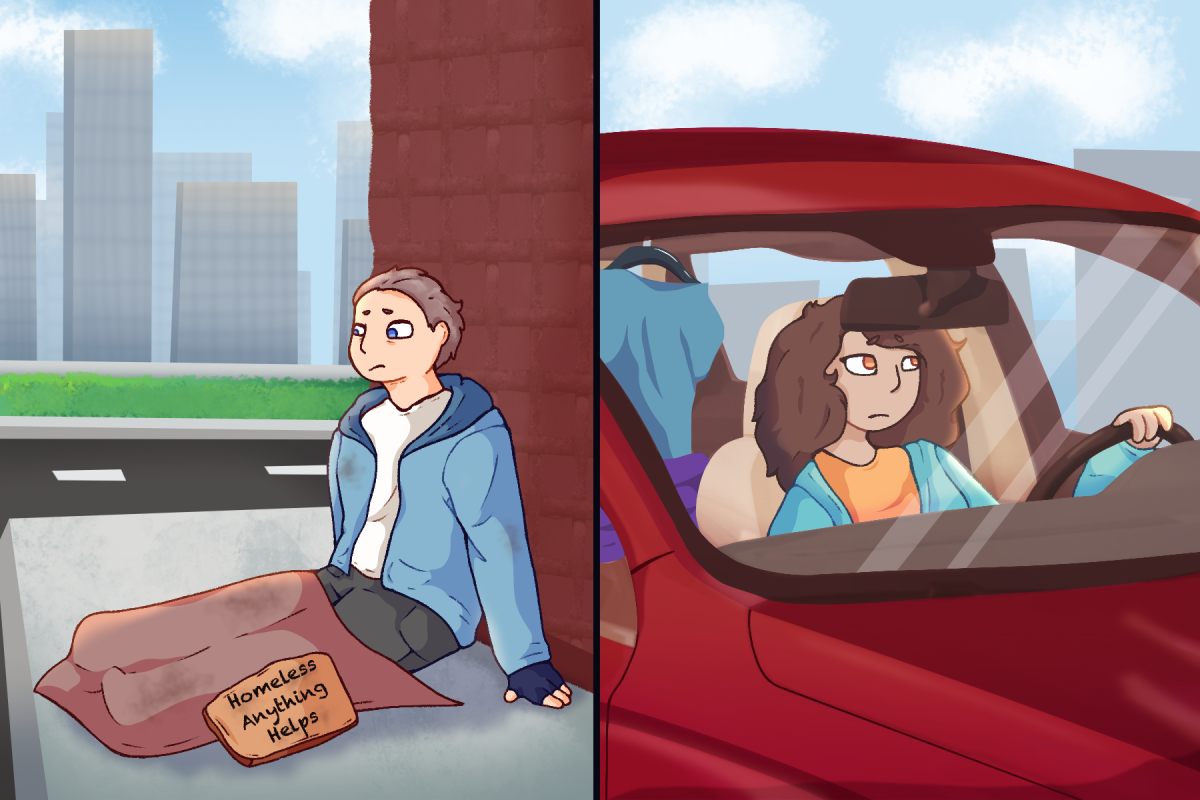


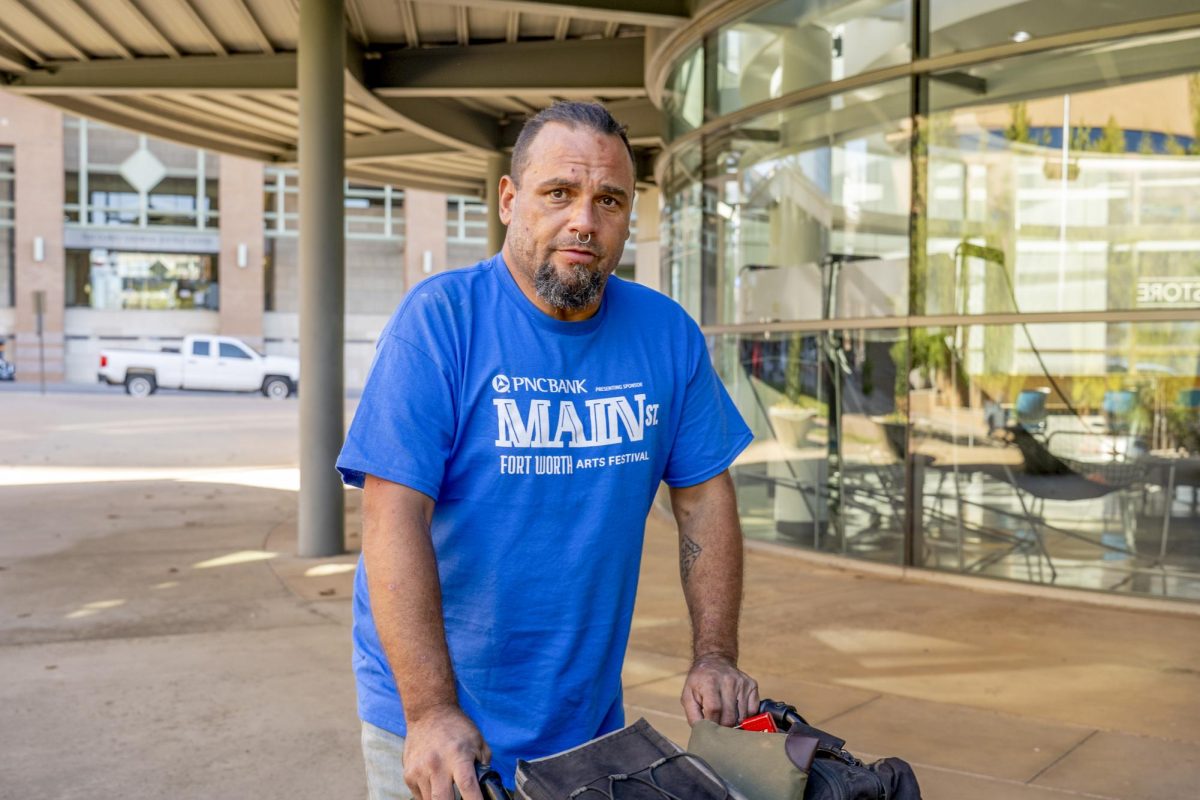

When hearing the word homelessness, it’s easy to have an image of what that might look like. Perhaps it’s someone sleeping on a sidewalk,
pushing a shopping cart or panhandling on the side of the road.
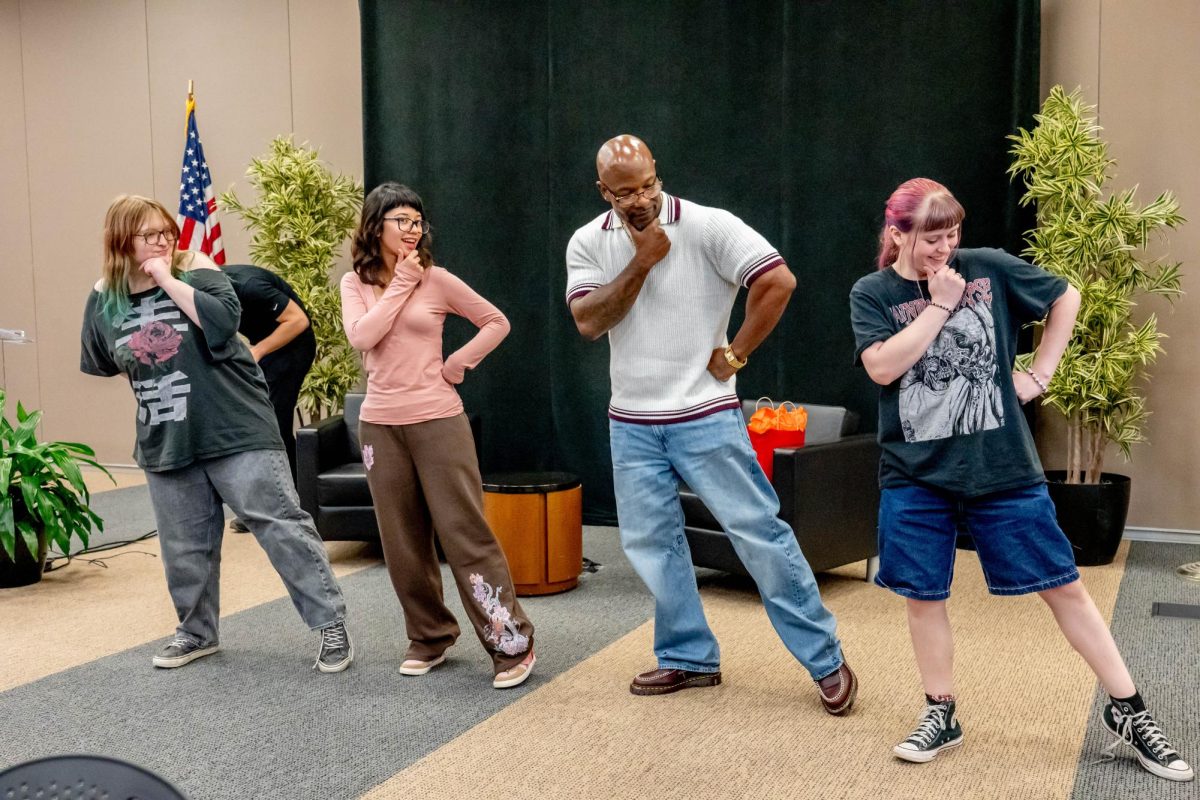
Society has conditioned everyone to associate homelessness with a particular image, but the reality is that homelessness doesn’t have a single face, and it certainly doesn’t always look the way some may expect.
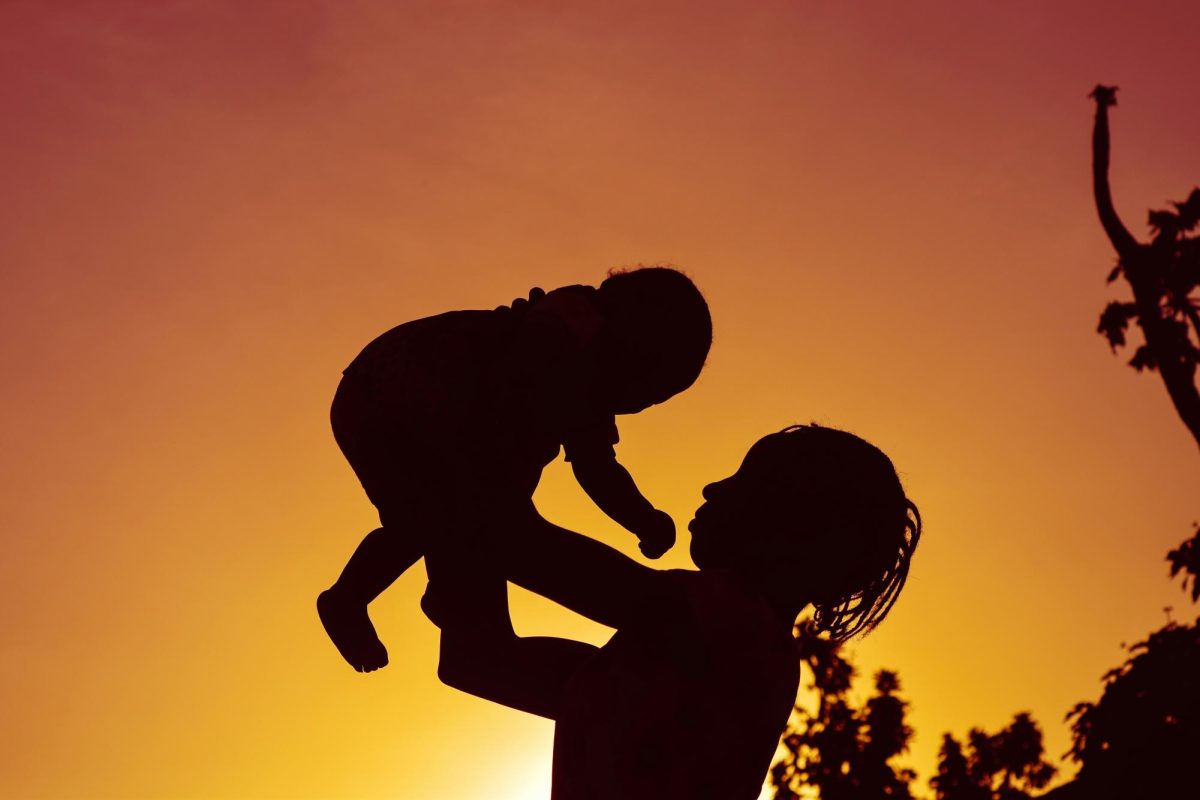
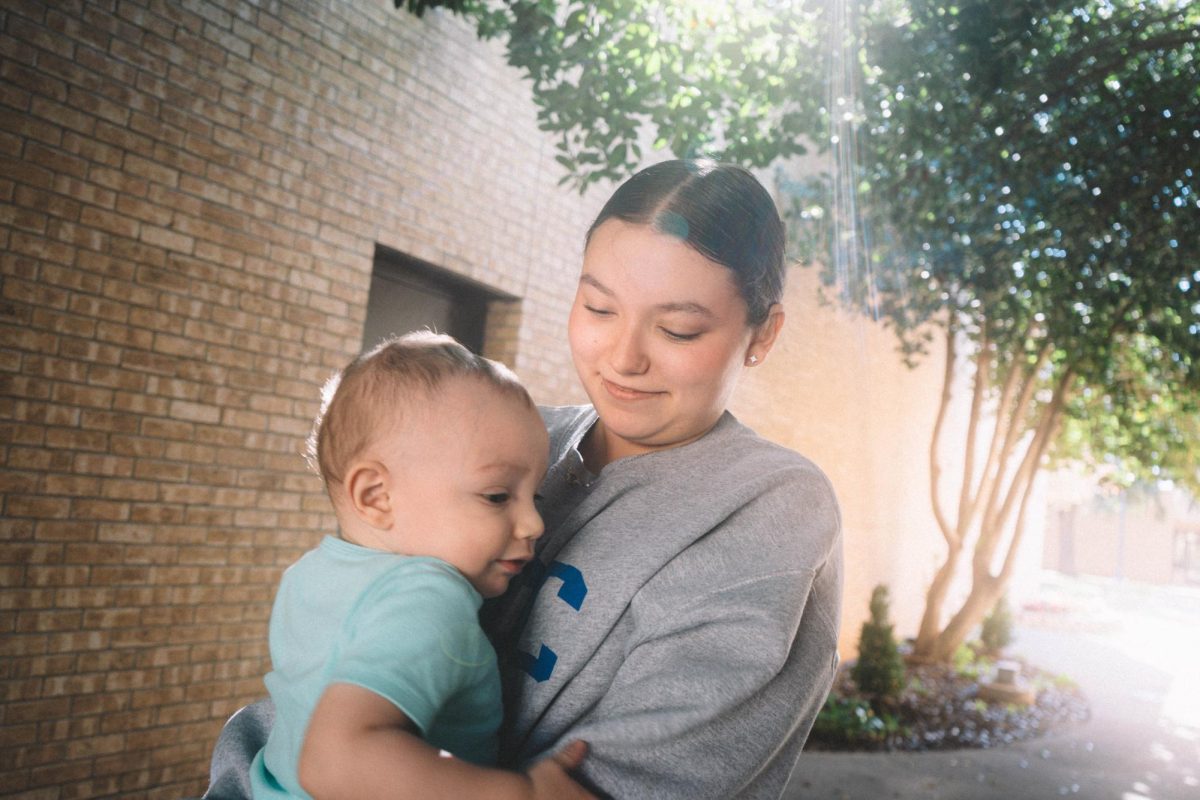
Homelessness can look like a mother and her child sleeping in a car at a neighborhood park. It can look like a college student moving from one friend’s couch to another because she can’t afford rent. It can look like a veteran struggling to find stability after returning home from serving his country.
According to the 2026 State of the Homeless Report published by the Tarrant County Homeless Coalition, 9,896 individuals experienced
homelessness across Tarrant and Parker counties in 2025. Even more concerning, 13% of them were under the age of 18.
This isn’t just data in a report. These numbers are families, parents, children and individuals trying to simply survive and find somewhere safe to sleep at night.
While homelessness is often treated as an issue that affects someone else, the truth is that a majority of people are closer to being homeless than they are to becoming a millionaire.
For many Americans, one accident is all it takes. Whether that be a medical emergency, a lost job or even a missed paycheck, anything unexpected can be enough to threaten one’s housing stability.
The cost of living continues to place pressure on working families, and the distance between having a home and losing one may be smaller
than many would like to believe.
Being homeless isn’t always the failure of an individual. It is often a reflection of systems that have failed to provide people with the resources and support needed to remain housed. Yet, those experiencing homelessness are often met with disrespect and assumptions that they are dangerous.
There is a difference between being dangerous and simply not having a place to live. Being homeless does not automatically make someone a threat to the community. A person’s housing status should never determine the amount of dignity or respect received.
It’s also important to consider how those who are homeless and use substances such as alcohol, tobacco or marijuana are viewed. Substance use or abuse should not become an excuse to deny someone compassion or assistance.
People do not have to meet a standard of perfection to deserve shelter, safety or support.
Helping someone should not depend on every bad decision an individual has made.
Certain populations also face disproportionate challenges when it comes to housing insecurity. Veterans, LGBTQ+ youth and families with children deserve particular attention.
According to a 2025 report by the U.S. Department of Housing and Urban Development, veterans accounted for 5.3% of adults experiencing homelessness. There is no reason someone who has served this country should be left without a safe place to call home.
Veterans struggling with PTSD and other service-related challenges deserve access to quality medical care, mental health services and
housing assistance. The U.S. has a responsibility to care for the people who have served it.
Addressing homelessness requires more than temporary solutions.
It requires meaningful investments in affordable housing, expanded access to mental health services, support for veterans and resources for vulnerable young people and families.
These efforts must be approached with compassion while also finding financially responsible ways to create lasting change.
With the holiday season approaching and colder winter weather blowing in, it is especially important to remember those without a place to call home.
While many prepare to gather with family and enjoy the comfort of a safe space, thousands of people across the country are simply trying to survive and find somewhere warm.
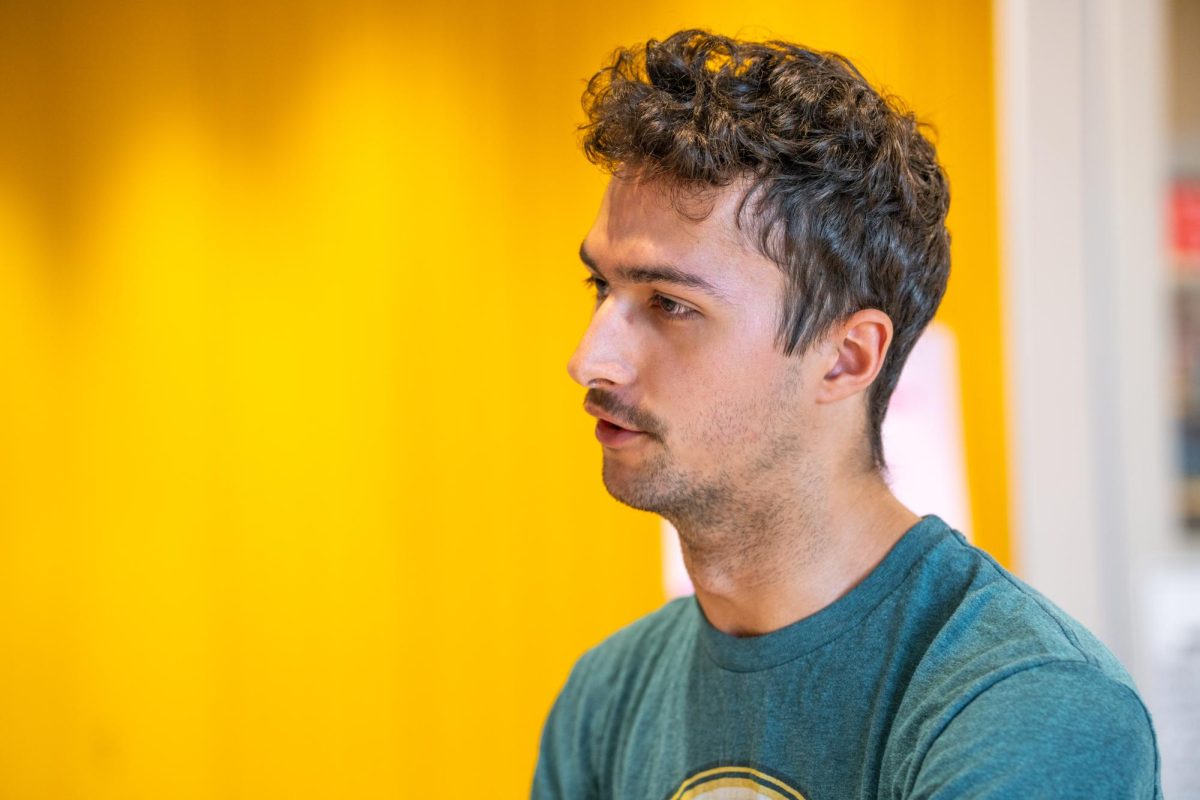
Homelessness is not always visible. It doesn’t have a uniform, a specific appearance or a particular story. The person experiencing it could be a stranger, a neighbor or even a friend.
This problem can’t be solved by looking away. Change starts by recognizing the humanity of those who are homeless, demanding better of the systems meant to serve people and understanding that having a home is not something to take for granted.
Homelessness can happen to anyone, so compassion should be extended to everyone.