






















The rapid development of data centers in our communities is threatening our resources and quality of life.
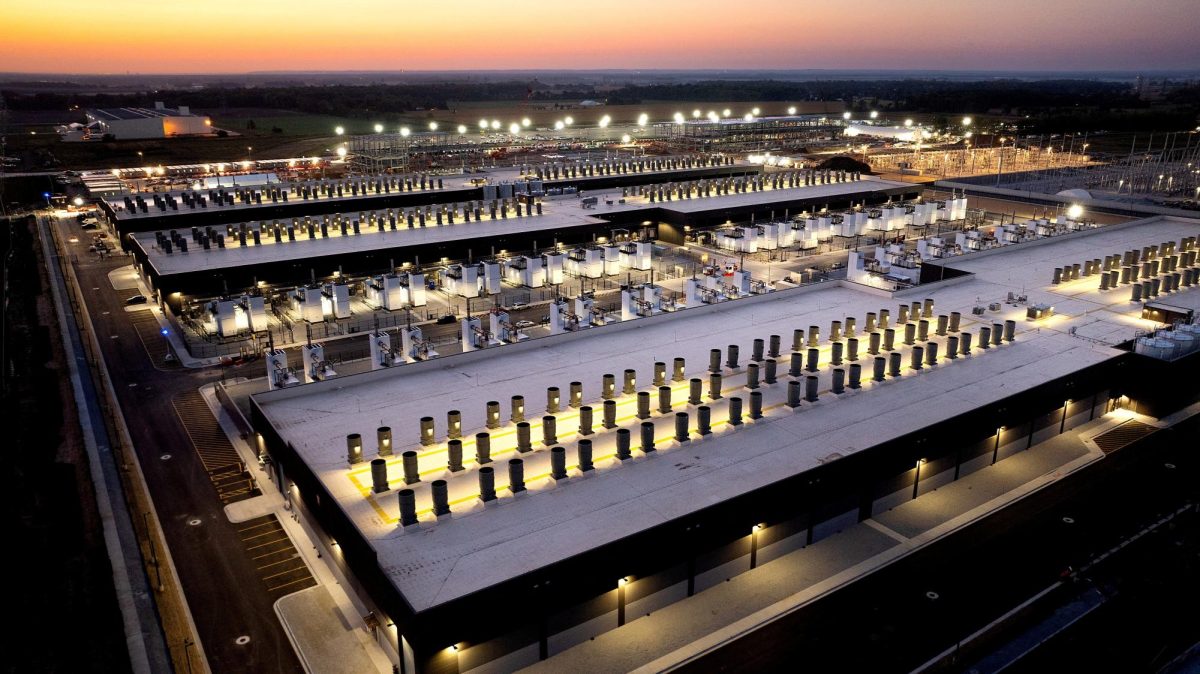
There are 335 operating data centers in Texas and 248 planned to operate by 2030. This would make Texas the world’s largest data center market.
At a time when we feel most divided, there is overwhelming bipartisan opposition to data centers.
The Texas Politics Project, an annual opinion poll conducted by The University of Texas at Austin, recently released a study that showed 56% of Texans oppose, 29% support and the remaining are undecided about the construction of data centers in their community.
42% of the 56% strongly oppose and only 9% of the 29% strongly support.
Texans against data centers largely list our state’s dwindling water supply and unreliable power grid at the top of their concerns.
Even with Texas’s investment of $20 billion toward water supply expansion projects last year, we would still fall short of the $174 billion needed to supply the state for the next 50 years. The estimated electrical capacity for the planned centers ranges from 5 MW to 11,000 MW for use at any given time, according to The Texas Tribune. The average 390 MW use is enough to power 488 of the largest H-E-Bs compared to 11,000 MW capable of powering 13,750.
The Electric Reliability Council of Texas (ERCOT) is responsible for managing 90% of Texans’ electrical services. They are reviewing projects seeking to use 100,000MW.
Their management is also responsible for the grid failure during the 2021 winter freeze, which resulted in 246 deaths and 4.5 million homes losing power.
Gary, Indiana has been without power for more than a week following deadly storms that wrecked their power grid. The predominantly black city attributes the strain of data centers in their state as a cause of the blackout. Indiana has roughly a third of the number of operating data centers Texas has.
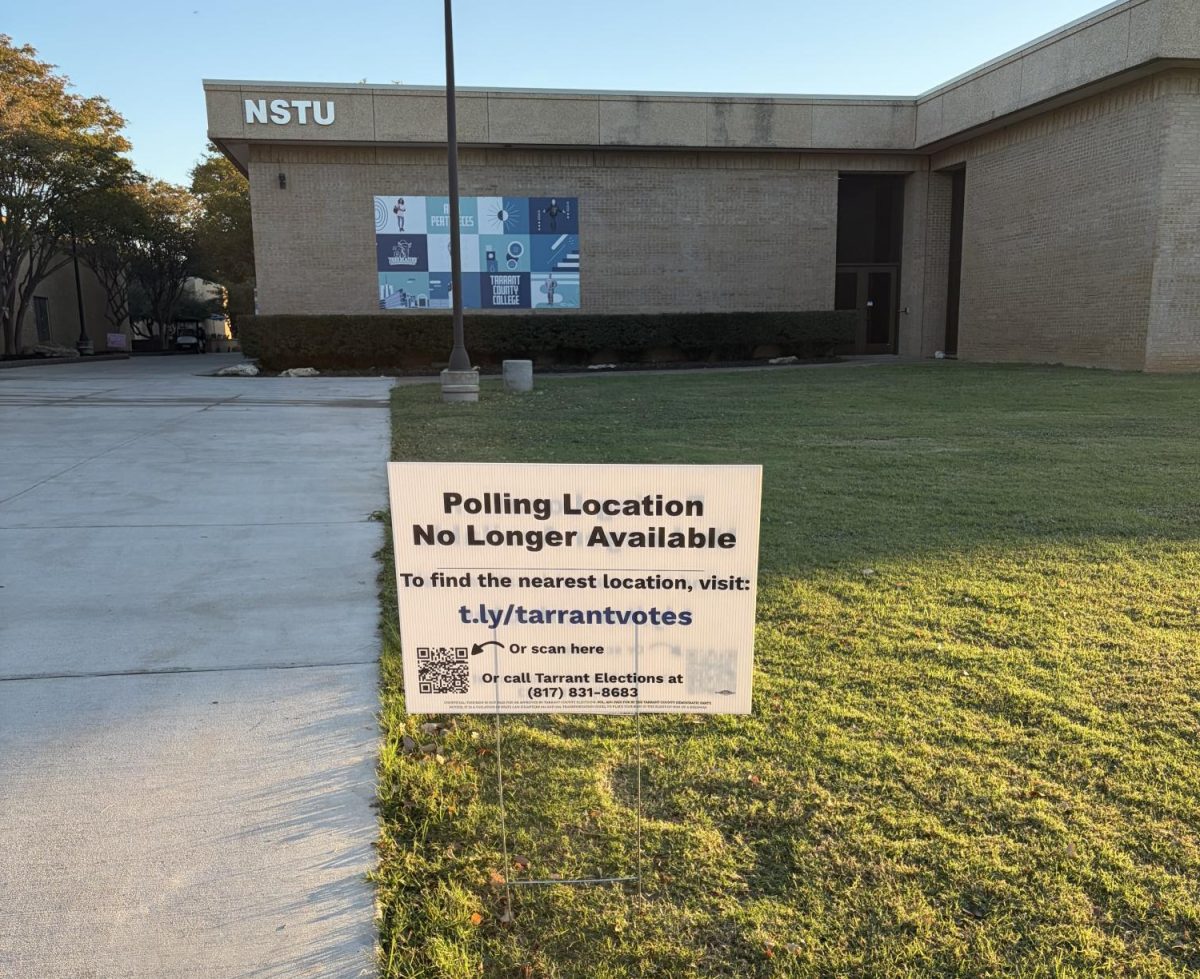
Most centers are built in vulnerable rural or minority communities, often targeting places and people with restricted access to voting. This is one of the more sinister tactics developers use to normalize the construction of these centers.
The stars at night were once big and bright. Now, rural Texas communities like Crowell face 24/7 artificial daylight from their local data center. Granbury residents are suing the city due to the constant noise their data center produces.
Gov. Greg Abbott recently released new guidelines for established and planned data centers. Centers must provide plans on how they will pay for their power, reuse their water and reduce their reliance on the grid, among other standards.
It’s hard to imagine how at least 583 data centers by 2030 will be reliably and accurately regulated.
The topic of data centers is easy to ignore, until someone wants to build in your backyard.
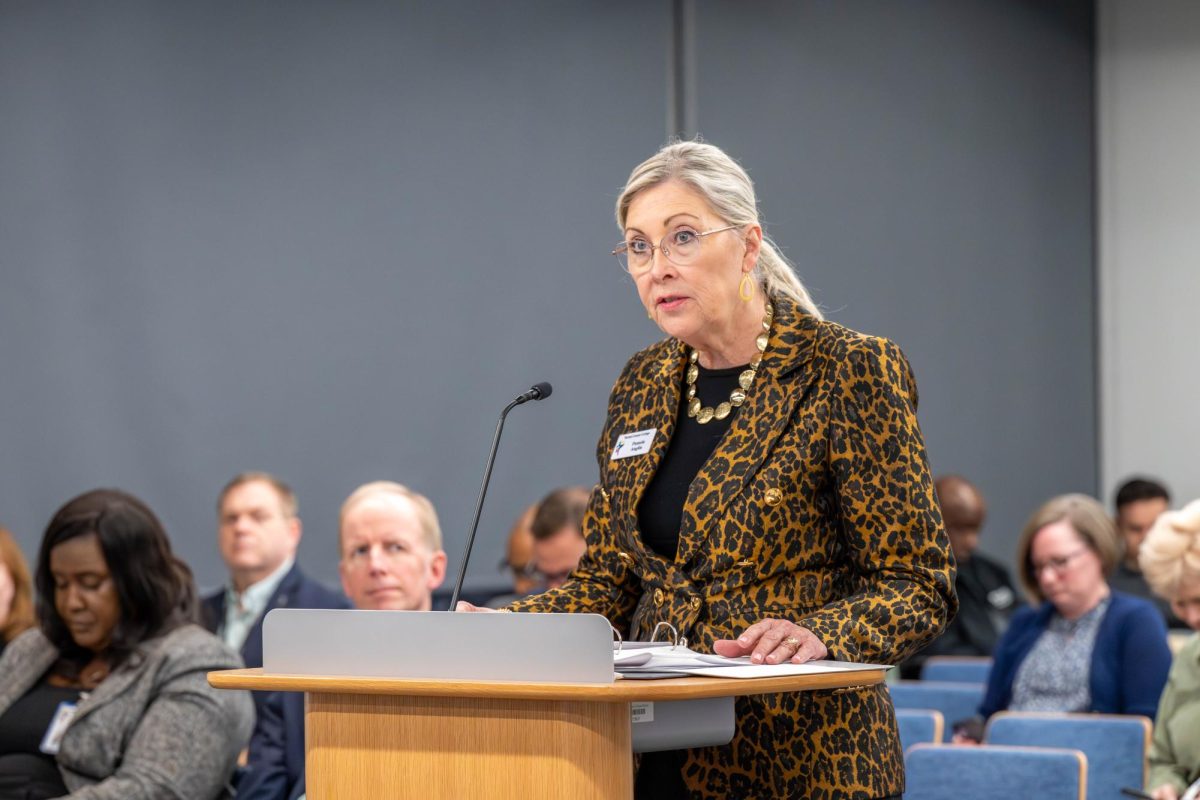
Of the 248, there are 86 centers planned for development in North Texas alone. A judge has halted a proposed data center in Westlake due to public outcry and a lawsuit from Keller residents. Last week, Fort Worth voted for a 90-day pause on the construction of data centers beginning early next year.
This doesn’t mean centers won’t be built in these communities. These Tarrant County cities are waiting to evaluate the regulations Abbott set forth and if their current proposed development plans follow his directive.
This incessant push for data centers is an obvious attempt to make money, no matter the cost to our citizens or environment. So how do we stop it?
Stop using generative AI and demand the same of your politicians, your celebrities, your school and your friends. Generative AI is the driving force behind the supposed need for these centers. If there is no demand, then there is no need to supply.
If you can’t make these companies’ pockets hurt, then go vote. The Public Utility Commission of Texas oversees ERCOT. They both regulate, audit and approve the development and operations of data centers in Texas, and the governor appoints the commissioners who run PUCT.
Ultimately, your cities and county have the most power. They can make the daunting challenge of putting an end to more data center developments by just voting no.
Go out and vote, make your voice heard at council meetings and back up your beliefs with action.